
The way we handle healthcare is changing, and a big part of that is digital patient engagement platforms. These tools are popping up everywhere, helping doctors and patients connect better and making things run more smoothly behind the scenes. It’s not just about new gadgets; it’s about making healthcare more accessible and personal for everyone. Let’s take a look at how these platforms are shaking things up and what they mean for the future.
Key Takeaways
- Digital patient engagement platforms are changing how healthcare works, making it easier for patients and doctors to connect and manage health information.
- These platforms use technology like telemedicine and mobile apps to give patients more access to care and personalized health advice.
- By automating tasks and organizing information, digital tools help healthcare providers work more efficiently and reduce stress.
- Key features like video calls, easy-to-use apps, and connections to pharmacies and labs are making these platforms really useful.
- While there are challenges like cost and training, the move towards digital patient engagement platforms is set to continue, shaping a more patient-focused future for healthcare.
The Evolving Landscape of Digital Patient Engagement Platforms
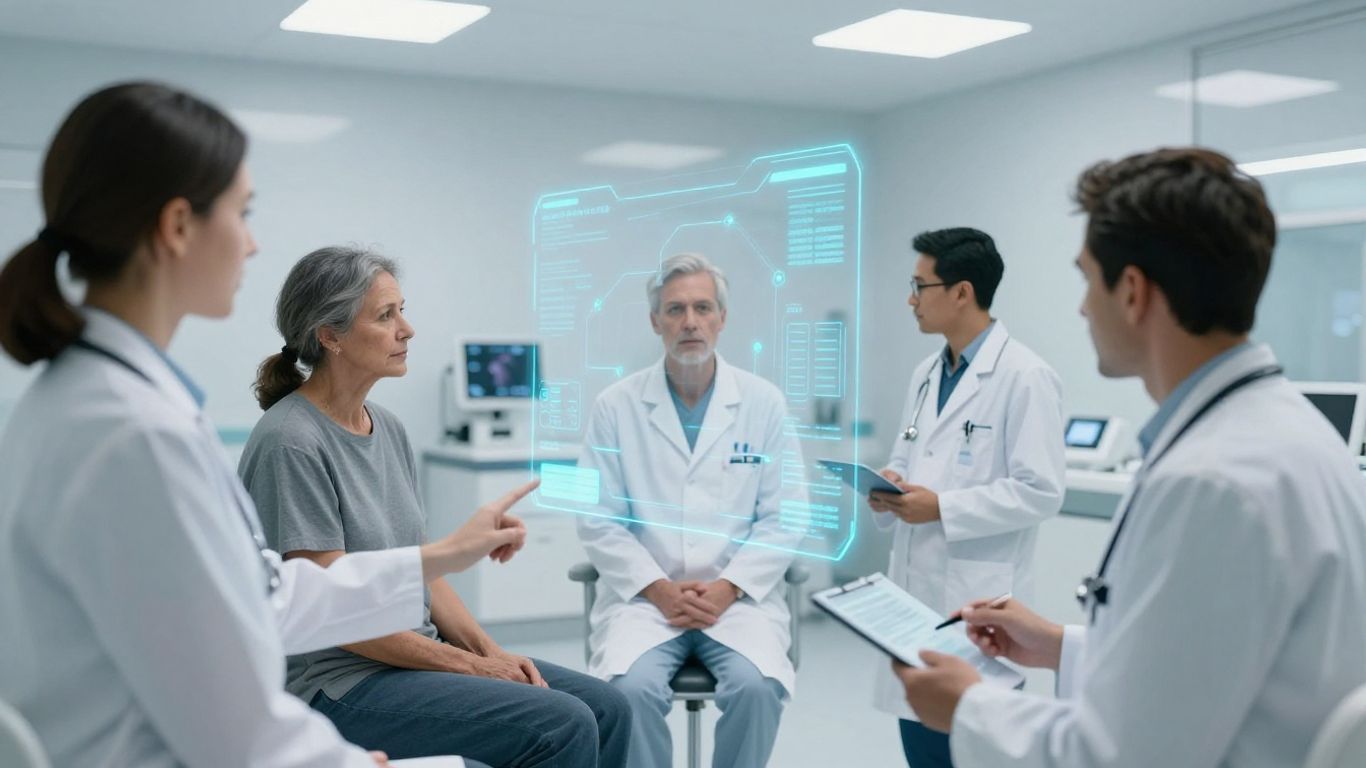
Healthcare is changing, and a big part of that change is how we use technology to connect with patients. Think about it: we’re moving away from just in-person visits to a mix of online tools and real-world care. This shift isn’t just about convenience; it’s about making healthcare more accessible and effective for everyone.
Understanding Digital Health Platforms
Digital health platforms are basically software and systems designed to manage health information and patient interactions. They can range from simple patient portals where you can see your test results to complex systems that track chronic conditions remotely. The goal is to make managing health easier for both patients and doctors. These platforms are becoming more common because they can help organize a lot of health data and make communication smoother. They’re not just a trend; they’re becoming a standard part of how healthcare works.
The Growing Adoption of Digital Health Tools
More and more people are using digital health tools. We’ve seen a big jump in things like telehealth appointments, especially since the pandemic. People like being able to see a doctor from their couch. Plus, apps that help you track your fitness or manage a condition are everywhere. Patients want these kinds of convenient options. Providers are also seeing the benefits, like better ways to keep up with patients between visits. This growing use means that digital tools are no longer a niche thing; they’re becoming mainstream. The use of virtual care is expected to keep growing, with many expecting it to significantly boost patient engagement. Virtual care is rapidly evolving.
Key Components of Digital Health Platforms
What makes up these platforms? Well, they usually have a few core parts. You’ll often find:
- Patient Portals: A secure online space for patients to access records, schedule appointments, and message their care team.
- Telehealth Services: Tools for video calls and remote consultations.
- Remote Monitoring: Devices and apps that collect health data from home, like blood pressure or glucose levels.
- Communication Tools: Secure messaging and notification systems to keep everyone in the loop.
These pieces work together to create a more connected healthcare experience. It’s all about making information flow better and keeping patients involved in their own care. The integration of these tools is also being helped by AI, which can streamline workflows and automate tasks, driving smarter innovation processes. AI-powered tools are a big part of this.
Enhancing Patient-Clinician Interactions Through Technology
It’s pretty wild how much technology is changing how we talk to our doctors, right? Gone are the days when you only saw your doctor a couple of times a year and hoped for the best. Now, digital tools are making it possible to connect more often, and honestly, it feels like we’re getting more personalized care because of it. These platforms are really bridging the gap between patients and their healthcare providers.
Revolutionizing Communication Channels
Think about it: instead of playing phone tag or waiting weeks for a response, we can now send messages through secure patient portals, get quick answers, and even share updates. This constant line of communication means doctors can keep a closer eye on things, and we feel more heard. It’s not just about convenience; it’s about building a stronger relationship with your care team. Digital communication tools, when linked up with electronic health records, make it way easier for doctors to see what’s going on with you and talk to you about it.
The Role of Telemedicine in Expanding Access
Telemedicine has been a game-changer, especially for folks who don’t live near a big hospital or have trouble getting around. Being able to have a video call with your doctor from your living room? That’s huge. It means more people can get the care they need, when they need it. For example, some health systems have seen millions of virtual visits, with doctors using these tools to connect with patients from afar. What’s interesting is that patients often follow up more regularly after a virtual visit compared to an in-person one.
Personalized Care Through Digital Data
This is where things get really interesting. All the information we share through apps, wearables, and patient portals can give doctors a much clearer picture of our health. It’s not just about treating sickness; it’s about understanding our habits and lifestyle to prevent problems before they start. This data helps tailor treatments specifically to you, not just a general condition. It’s a big step towards healthcare that truly revolves around the individual.
The shift towards digital interactions means healthcare is becoming more proactive. Instead of just reacting to problems, we’re using technology to monitor health, catch issues early, and adjust care plans on the fly. This continuous feedback loop is what makes personalized medicine possible.
Here’s a quick look at how communication has changed:
- Direct Messaging: Secure chat features within patient portals.
- Video Consultations: Real-time virtual appointments.
- Remote Monitoring: Devices sending health data directly to providers.
- Automated Reminders: For appointments, medications, and follow-ups.
This makes it easier for providers to manage your health between visits, and for you to stay on top of your own well-being. It’s a win-win, really. We’re seeing a future where digital health tools are just as common as a stethoscope.
Streamlining Healthcare Operations with Digital Solutions
Healthcare systems are constantly looking for ways to work smarter, not just harder. Digital tools are stepping in to help make that happen, especially when it comes to the day-to-day running of things. Think about all the paperwork and back-and-forth that goes into managing appointments, patient records, and billing. Digital platforms can take a big chunk of that off everyone’s plate.
Automating Administrative Tasks
Many of the repetitive administrative jobs can be handled by software now. This means less time spent on things like scheduling appointments, sending out reminders, or processing payments. Automated systems can manage these tasks efficiently, reducing errors and freeing up staff. For instance, digital scheduling tools can allow patients to book appointments online, and automated reminders can cut down on missed appointments significantly. This kind of automation is a big win for keeping things moving smoothly.
Integrating Digital Tools into Clinical Workflows
Digital tools are improving how clinicians work with patients, especially when integrated into electronic health records (EHRs). By keeping everything in one system, doctors and nurses can easily access patient education materials, remote monitoring data, and care plans during visits. This integration saves time, improves workflow, and helps clinicians manage patient care more efficiently. This study looked at how digital innovations are changing management practices.
Improving Operational Efficiency and Reducing Costs
When administrative tasks are automated and clinical workflows are smoother, the result is often a more efficient operation. This can lead to lower costs because staff time is used more effectively, and resources are managed better. Fewer errors, less wasted time, and better patient flow all add up. For example, reducing appointment no-shows through automated reminders saves the practice money and allows more patients to be seen. Ultimately, these digital solutions help healthcare providers focus more on patient care and less on the operational headaches, which is good for everyone involved. Telehealth, for instance, has proven effective in expanding service offerings while keeping both patients and staff safe, especially in remote settings, as seen in this case study.
Core Features of Advanced Digital Patient Engagement Platforms
So, what actually makes a digital patient engagement platform advanced? It’s not just about having an app; it’s about the smart tools built into it that really make a difference for both patients and the folks taking care of them. These platforms are designed to be more than just a digital bulletin board; they’re active participants in the care process.
Seamless Telemedicine and Remote Consultation Integration
This is a big one. Being able to jump on a video call with your doctor without a whole song and dance is pretty key. Advanced platforms make this easy, offering high-definition video, secure chat options, and simple ways to schedule these virtual visits. It means you can get advice or a check-up without leaving your couch, which is great for busy schedules or when getting to the clinic is tough. It really helps bridge the gap when in-person visits aren’t practical.
AI-Powered Decision Support and Analytics
Artificial intelligence is starting to do some pretty cool things behind the scenes. For clinicians, AI can help flag patients who might be at higher risk for certain issues, suggest possible treatment paths, or even help with the paperwork by automating some of the documentation. It’s like having an extra assistant that can sift through a lot of data quickly. This helps doctors make more informed choices and spend less time on repetitive tasks. The data collected can also show trends that might not be obvious otherwise.
Mobile-Friendly Interfaces and Accessibility
Let’s be real, most of us do everything on our phones these days. So, it makes sense that healthcare tools should be just as easy to use on a smartphone or tablet as they are on a desktop computer. Platforms built with a mobile-first design in mind are much easier for everyone to use. This means patients can check their results, message their doctor, or access educational materials from wherever they are. It’s all about making healthcare information and communication accessible to more people, regardless of their tech comfort level.
E-Prescription and Lab Integration
This feature is all about cutting down on extra steps and potential errors. When a platform can send prescriptions straight to your pharmacy electronically, it saves time and reduces the chance of a prescription getting lost or misread. Similarly, having lab results automatically sent to the platform means you and your doctor can see them faster. This kind of integration connects different parts of the healthcare system, making the whole process smoother and quicker. It’s a practical way to keep things moving efficiently.
The real power of these platforms comes from how well they connect different parts of the healthcare journey. When telemedicine, AI insights, and easy access to results all work together, it creates a much more coordinated and patient-focused experience. It’s about making healthcare work for you, not against you.
Here’s a quick look at what these features can mean:
- Faster Access to Care: Telemedicine means less waiting time.
- Smarter Clinical Choices: AI helps doctors make better decisions.
- Convenient Health Management: Mobile access puts your health info in your pocket.
- Streamlined Processes: E-prescriptions and lab integration cut down on hassle.
These features are what turn a basic digital tool into a truly advanced platform that can genuinely change how we experience healthcare. They aim to make things simpler, faster, and more effective for everyone involved. For example, reducing missed appointments is a common goal, and features like automated reminders play a big part in that.
Addressing Challenges in Digital Health Adoption
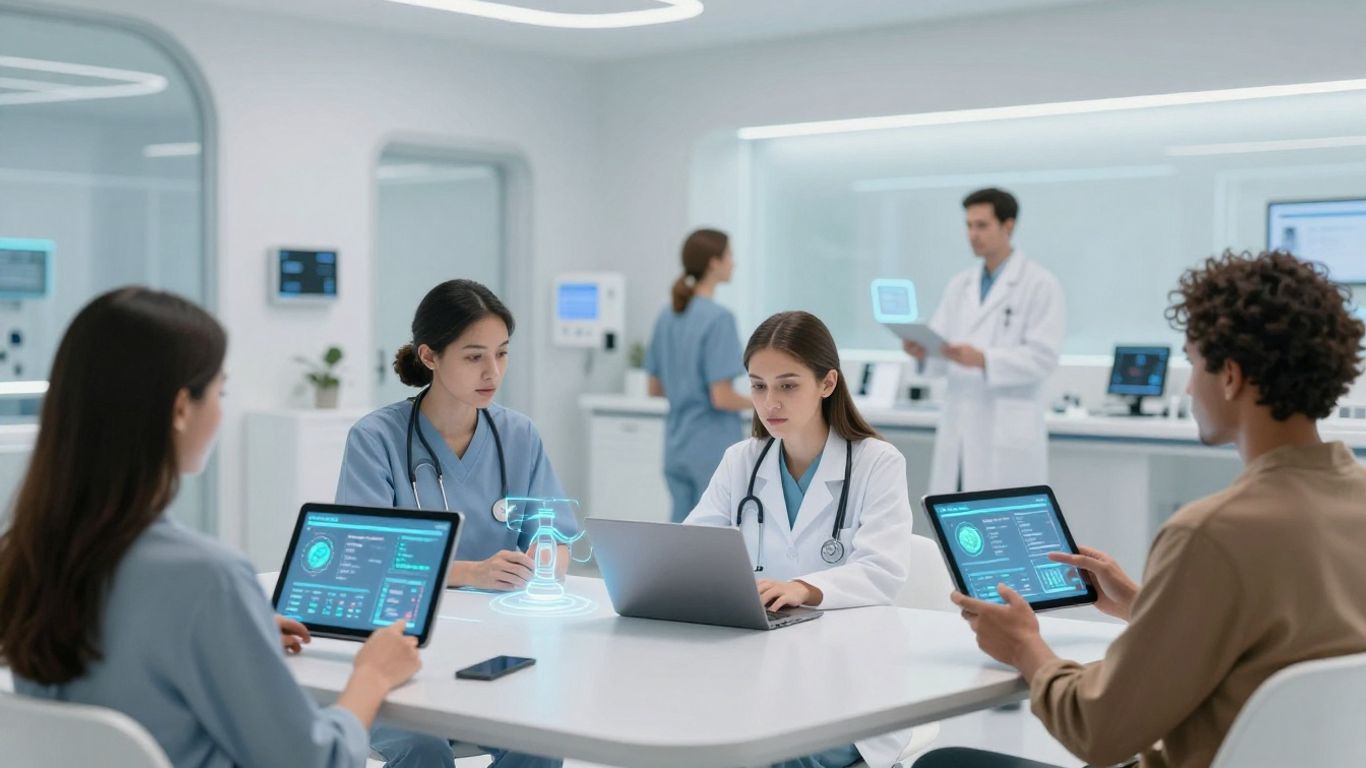
We’ve talked a lot about how great digital patient engagement platforms can be. They promise better communication, more efficient operations, and even personalized care. But let’s be real, getting these systems up and running isn’t always a walk in the park. There are definitely some hurdles to clear.
Overcoming Financial and Training Barriers
One of the biggest challenges is cost. New healthcare technology requires investment in software, infrastructure, maintenance, and upgrades, which can be difficult for smaller clinics and hospitals. Training is another major issue. Staff need time and support to learn new systems, and without proper training, tools may be underused or create frustration instead of improving care.
Ensuring Data Security and Patient Privacy
This is a huge one. When you’re dealing with sensitive patient information, security can’t be an afterthought. Healthcare data is a prime target for cyberattacks, and a breach can have devastating consequences, both for patients and the healthcare provider. Building trust means demonstrating that you can protect this information. This involves robust security measures, regular audits, and staying up-to-date with the latest threats. Patients need to feel confident that their personal health details are safe. It’s not just about complying with regulations; it’s about ethical responsibility. We’ve seen how important this is, and it’s a constant effort to stay ahead of potential risks.
Navigating Regulatory Environments
Healthcare is a heavily regulated industry, and digital health is no exception. There are rules and guidelines to follow, like HIPAA in the US, that dictate how patient data must be handled. These regulations can be complex and are always evolving. Keeping up with them, especially when you’re trying to implement new technology, adds another layer of difficulty. It requires careful planning and often legal or compliance expertise to make sure everything is above board. For instance, understanding the nuances of data sharing across different platforms or ensuring that remote consultations meet all legal requirements can be tricky. It’s a landscape that demands constant attention and adaptation.
The journey to digital transformation in healthcare is rarely a straight line. It’s a process that requires careful consideration of not just the technological capabilities, but also the practical realities of implementation, user adoption, and ongoing compliance. Addressing these challenges proactively is key to realizing the full potential of digital patient engagement.
The Future Trajectory of Digital Patient Engagement
So, where are digital patient engagement platforms headed? It’s not just about keeping up; it’s about actively shaping how healthcare works for everyone involved. We’re seeing some really interesting shifts that are going to change things quite a bit.
Emerging Trends in AI and Wearable Technology
Artificial intelligence (AI) is really starting to make its mark. Think about AI helping doctors make better decisions by looking at patient data, or even powering tools that can predict potential health issues before they become serious. It’s not science fiction anymore; companies are already integrating AI into remote monitoring and digital therapy. Wearable tech, like smartwatches and fitness trackers, is also becoming a bigger part of the picture. These devices collect a lot of personal health information, and the platforms of the future will likely use this data to give patients and their doctors a more complete view of their health.
Here’s a quick look at how these technologies are expected to grow:
- AI in Diagnostics: More sophisticated AI algorithms will assist in early disease detection and diagnosis.
- Personalized Health Insights: Wearables will provide deeper, real-time data for tailored health advice.
- Predictive Analytics: AI will forecast health risks, allowing for proactive interventions.
Reimagining Care Delivery Models
Digital tools are also pushing us to think differently about how care is actually given. We’re moving beyond just scheduled appointments. Imagine more flexible ways to get care, like virtual check-ins that fit into your day or remote monitoring that keeps an eye on you from home. This means healthcare can be more available, especially for people who have trouble getting to a clinic. It’s about making healthcare fit into people’s lives, not the other way around.
The goal is to create a healthcare system that’s more accessible, convenient, and responsive to individual needs, using technology as a bridge rather than a barrier.
The Continued Evolution of Patient-Centric Care
Ultimately, all these changes point towards a healthcare system that’s even more focused on the patient. Digital patient engagement tools are key to this, making it easier for patients to communicate with their doctors and manage their own health. As these platforms get smarter and more integrated, they’ll help create a healthcare experience that’s not just about treating sickness, but about keeping people healthy. This ongoing evolution means better communication and accessibility for everyone.
The future is about making healthcare more personal, proactive, and accessible through smart digital solutions.
Looking ahead, how patients connect with their healthcare providers is changing fast. Digital tools are becoming super important for keeping patients involved and informed. Imagine a world where you can easily manage appointments, get health tips, and talk to your doctor, all from your phone or computer. This is the future of healthcare, making it simpler and more accessible for everyone. Want to see how this digital shift is happening? Visit our website to learn more about the exciting changes in patient care.
Looking Ahead

We’ve talked a lot about how digital tools are changing things up in healthcare. It’s not just about fancy apps or websites; it’s about making it easier for doctors and patients to connect and manage health. We’ve seen how platforms can help with everything from scheduling appointments to keeping track of long-term conditions. While there are still some bumps in the road, like making sure all the tech works together smoothly and keeping data safe, the direction is clear. Digital patient engagement is here to stay, and it’s going to keep evolving, hopefully making healthcare better for everyone involved.
Frequently Asked Questions
What exactly are digital patient engagement platforms?
Think of these platforms as special computer programs and apps that help patients and their doctors talk and share information more easily. They use technology to make healthcare simpler and more convenient for everyone.
How do these platforms help doctors and patients connect better?
They offer new ways to communicate, like secure messages or video calls, instead of just phone calls. This makes it easier for patients to get advice and for doctors to keep an eye on their health, especially if they can’t easily visit the office.
Can these digital tools really make hospitals run more smoothly?
Yes! They can help with boring tasks like scheduling appointments or filling out forms automatically. This frees up doctors and nurses to spend more time actually taking care of patients instead of being stuck with paperwork.
What are some cool features these platforms have?
Many have video calls built in, use smart computer programs (AI) to help doctors make decisions, are easy to use on your phone, and can even send prescriptions straight to the pharmacy.
Is it hard for doctors and hospitals to start using these digital tools?
Sometimes it can be tricky. It might cost money to set up, and people need to learn how to use the new technology. Also, keeping all the patient information safe and private is super important and can be a challenge.
What’s next for digital patient engagement?
Technology is always getting better! We’ll likely see even smarter tools using AI and devices you wear, like smartwatches, to help manage health. The goal is to make healthcare more focused on what each person needs.