Getting a handle on project management is a big deal, whether you’re just starting or looking to beef up your skills. It’s not just about making lists; it’s about making things happen smoothly. We’ve put together some project ideas for project management that can help you practice. Think of building a simple game or planning a small event. These kinds of projects let you try out different ways to organize tasks, work with others, and get things done. It’s all about learning by doing, and these ideas are a good place to start.
Key Takeaways
- Building a puzzle game involves managing front-end tasks and team sprints.
- Manufacturing workflow projects focus on coordinating software and hardware teams.
- Professional services projects can involve AI integration and client analytics.
- Political campaigns use agile methods for outreach and data analysis.
- Free clinical services projects focus on deploying scalable systems for healthcare.
1. Interview Preparation Website
Building an interview preparation website is a fantastic project for honing your project management skills. It’s not just about coding; it’s about coordinating different moving parts to create something genuinely useful. Think about it: you’ve got user interfaces, backend logic for questions and answers, maybe even some analytics to track user progress. This project really tests your ability to manage scope and timelines.
Here’s a breakdown of what you might tackle:
- User Interface (UI) Development: Designing how users interact with the site. This includes creating pages for practice questions, mock interviews, and user profiles.
- Backend Development: Building the engine that powers the site. This involves setting up databases for questions, managing user accounts, and processing answers.
- Content Management: Sourcing and organizing interview questions and answers across various roles and industries. This is a big one for keeping the site relevant.
- Testing and Deployment: Making sure everything works smoothly and getting it out to users. This often involves setting up continuous integration and deployment (CI/CD) pipelines.
It’s a project where you can really get into the weeds with different teams, maybe a frontend group and a backend group, and make sure they’re all working towards the same goal. You’ll be dealing with requirements, managing changes, and keeping everyone on the same page. It’s a great way to practice managing a technical project from start to finish. You might even find yourself setting up mock interviews to test the platform, which is a project within a project!
Building a platform like this requires careful planning. You need to define what features are absolutely necessary for the first version and what can wait. It’s easy to get carried away with adding too many bells and whistles, but a good project manager knows how to prioritize and stick to the core objectives. This focus helps prevent scope creep and keeps the project on track.
When planning, consider how you’ll handle different types of interview questions, like multiple-choice, coding challenges, or behavioral questions. You might also want to integrate features that help users track their performance over time. For inspiration on how others approach interview prep, checking out some coding interview preparation websites could give you ideas for features and structure. This project is a solid way to get hands-on experience with managing a software development lifecycle.
2. Puzzle Game
Building a puzzle game from a project management perspective is a really interesting challenge. It’s not just about coding; it’s about coordinating different parts of the development process. You’ll be working with designers and developers, making sure everyone’s on the same page. Think about managing the creation of the game’s logic, the user interface, and even the testing phases. This project is a great way to practice agile methodologies.
Here’s a breakdown of what you might manage:
- Sprint Planning: Deciding what features or bug fixes to tackle in each development cycle.
- Dependency Tracking: Making sure the front-end team has what they need from the back-end, or vice-versa.
- Bug Triage: Prioritizing and assigning issues that pop up during testing.
- Release Management: Planning when and how new versions of the game will be rolled out.
It’s a good idea to use tools like Git for version control, which helps keep track of all the code changes. You might also use issue boards to manage tasks and bugs. This kind of project lets you get hands-on experience with how teams work together to build something interactive. It’s a bit like putting together a complex jigsaw puzzle yourself, but with people!
Managing a game project involves balancing creative input with structured development. You need to keep the fun factor in mind while also hitting deadlines and quality standards. It’s a delicate act, but very rewarding when the game finally comes together.
For teams looking for fun ways to collaborate, exploring different team-building games can offer inspiration, even if it’s just for brainstorming or icebreakers during development.
3. Manufacturing Workflow
Managing a manufacturing workflow project is all about keeping the gears turning smoothly, from raw materials to finished goods. It’s a complex dance of machines, people, and processes, and as a project manager, you’re the conductor. You’ll be dealing with things like production schedules, supply chain logistics, and quality control. The goal is to optimize output while minimizing waste and downtime.
Think about a project to implement a new automated assembly line. You’d need to coordinate with engineers, technicians, and operations staff. This involves planning the installation, testing the new equipment, and training the team on its operation. It’s not just about the hardware; it’s also about the software that controls it and the data it generates.
Here’s a breakdown of typical phases:
- Planning: Define the scope, identify resources, and create a detailed schedule. This includes risk assessment – what could go wrong with the new machinery or process?
- Execution: Oversee the installation, setup, and initial testing. This is where you’ll be on the ground, making sure things are happening as planned.
- Monitoring & Control: Track progress against the schedule, manage any changes, and ensure quality standards are met. This might involve using tools to monitor machine performance or defect rates.
- Closure: Finalize documentation, conduct a post-implementation review, and hand over the new process to the operations team.
Implementing new manufacturing processes often requires a phased approach. Trying to change too much at once can overwhelm the team and lead to errors. Breaking it down into manageable steps, like introducing one new machine or one new quality check at a time, makes the transition much smoother and allows for adjustments along the way.
For a project like this, you might be looking at a Gantt chart to visualize the timeline and dependencies. You’ll also want to keep a close eye on key performance indicators (KPIs) like production output, defect percentage, and machine uptime. Improving these metrics is often the main driver for such projects. You might even look into techniques like Six Sigma to help streamline processes and reduce variability. Ultimately, a well-managed manufacturing project can lead to significant improvements in efficiency and cost savings, like those seen in some automation projects.
4. Professional Services
Managing projects in professional services, like consulting or legal work, is all about keeping clients happy and the team on track. It’s not just about finishing tasks; it’s about delivering results that clients actually need and value. This means you need a solid plan from the start.
Think about the different phases a typical project goes through:
- Initiation: Clearly defining the project scope, goals, and what success looks like for the client.
- Planning: Figuring out the resources needed, setting timelines, and identifying potential roadblocks.
- Execution: Doing the actual work, keeping everyone updated, and managing any changes that come up.
- Monitoring & Control: Tracking progress against the plan and making adjustments as needed.
- Closure: Wrapping things up, getting client sign-off, and doing a review to see what went well.
The key is clear communication and managing expectations. When you’re working with clients, they want to know what’s happening, when things will be done, and what the outcomes will be. A good project manager makes sure this information flows smoothly. It’s about building trust and showing that you’re in control of the project, even when things get complicated. This often involves using specific project management techniques to handle complexity and coordinate resources effectively.
Here’s a quick look at how resource allocation might break down for a small consulting project:
| Role | Hours Allocated | % of Project Time |
|---|---|---|
| Senior Consultant | 80 | 40% |
| Junior Consultant | 100 | 50% |
| Project Manager | 20 | 10% |
In professional services, the project isn’t truly done until the client feels they’ve received the promised value. This requires a focus on outcomes, not just outputs, and a proactive approach to problem-solving throughout the project lifecycle.
5. Political Campaign
Running a political campaign is a complex project, much like managing any other large-scale operation. It involves coordinating many moving parts, from voter outreach to fundraising and messaging. Applying project management principles can bring much-needed structure and efficiency to this often chaotic environment.
Think about it: you have a specific goal – winning an election – and a defined timeframe. This is prime territory for agile methodologies. You can break down the campaign into smaller, manageable sprints. For instance, a sprint might focus on a specific geographic area for canvassing, or a particular demographic for targeted messaging.
Here’s a look at how project management tools and techniques can be applied:
- Agile Boards: Use these to track progress on tasks like volunteer recruitment, event planning, and issue research. It gives everyone a clear view of what needs to be done and who’s doing it.
- Risk Management: Identify potential problems early. This could be anything from negative press to a sudden drop in donations. Having a plan in place makes a big difference.
- Stakeholder Coordination: Keeping candidates, campaign staff, volunteers, and donors aligned is key. Regular updates and clear communication channels are vital.
- Data Analysis: Political campaigns generate a ton of data. Using project management tools to track and analyze voter data, poll results, and feedback helps refine strategies.
It’s about moving from a reactive approach to a proactive one. Instead of just responding to events, you’re planning and executing a strategy. This structured approach helps ensure that resources are used effectively and that the campaign stays on track towards its ultimate objective. Learning about political risk assessment can be particularly helpful here.
Managing a political campaign requires a blend of strategic thinking and tactical execution. Project management provides the framework to organize these efforts, ensuring that every action contributes to the overall goal. It’s about making sure the right messages reach the right people at the right time, all within budget and schedule constraints.
6. Free Clinical Services

This project idea is all about setting up systems for non-profit healthcare. Think about how to get services out to people who really need them, especially in areas where access is tough. It’s a chance to manage the whole process, from getting the tools ready to actually using them and then checking how well they’re working.
What you’d be doing involves coordinating different groups, like technical folks and medical staff. It’s a bit like juggling, but with a really good cause. You’ll need to keep track of what everyone is doing and make sure the different parts of the project fit together. This is where project management really shines, making sure complex operations run smoothly.
Here’s a breakdown of some tasks you might handle:
- Setting up ways to screen people for health issues, using cloud tools for storing information.
- Building patient-facing systems for appointments and information.
- Making sure the different software parts can work together easily, no matter where they’re hosted.
The main goal is to create scalable systems that can reach more people. It’s a project that has a real impact, helping to improve health outcomes for communities. You’ll learn a lot about managing technical volunteers and medical teams, which is a unique challenge. Plus, you get to practice tracking dependencies and reporting to different stakeholders, which are key skills. It’s a great way to apply project management principles to something that truly matters, like improving access to healthcare delivery.
Managing a project like this means dealing with a lot of moving parts. You have to think about the technology, the people involved, and the ultimate goal of providing care. It requires careful planning and constant communication to keep everything on track and make sure the services are effective and reach those who need them most.
7. Construction Site
Managing a construction project is a massive undertaking, and it’s a fantastic way to test your project management skills in a real-world, high-stakes environment. Think about all the moving parts: materials arriving, different crews working on specific tasks, safety protocols, and keeping everything on schedule and within budget. It’s not just about building something; it’s about orchestrating a complex dance of people, resources, and time.
The core challenge is coordinating diverse teams and materials to meet strict deadlines and quality standards. You’re dealing with everything from concrete pouring to electrical wiring, and each step depends on the one before it. A delay in one area can have a ripple effect across the entire project. This is where solid planning, communication, and risk management really shine.
Here’s a breakdown of what you might focus on:
- Site Logistics: Planning the flow of materials, equipment, and personnel on and around the site. Where do trucks park? Where are tools stored? How do workers move safely between areas?
- Schedule Management: Creating and maintaining a detailed timeline, identifying critical path activities, and adjusting as unforeseen issues arise.
- Resource Allocation: Ensuring the right people and equipment are available at the right time, and managing their usage efficiently.
- Quality Control: Implementing checks and balances to make sure the work meets specifications and building codes.
- Safety Oversight: Developing and enforcing safety procedures to protect workers and the public.
Consider how you’d integrate technology. For instance, using IoT sensors on smart helmets could stream data for incident logging, or processing real-time metrics could help spot workflow bottlenecks. This kind of data-driven approach can make a big difference in how smoothly things run. You might even look into how companies manage all aspects, including labor and equipment supply, for large industrial projects, H+M Industrial EPC.
The success of any construction project hinges on meticulous planning and constant adaptation. It’s a dynamic environment where the ability to foresee problems and react effectively is just as important as the initial blueprint. Building trust among the various trades and stakeholders is also key to overcoming inevitable hurdles.
This type of project offers a chance to see tangible results from your planning efforts. You’ll learn a lot about managing dependencies, communicating with a wide range of stakeholders, and keeping a complex operation moving forward. Looking at real-world examples through case studies can offer practical insights into how others have tackled similar challenges.
8. Digital Marketing Campaign
Running a digital marketing campaign is a lot like managing any other big project, really. You’ve got goals, deadlines, budgets, and a whole bunch of people to keep in sync. Think about it: you need to figure out who you’re trying to reach, what message will grab their attention, and where you’ll put that message – social media, email, search engines, you name it.
The key is breaking it all down into manageable steps. It’s not just about posting stuff online; it’s a coordinated effort. You’re probably going to be juggling a few things at once, like creating ad copy, designing visuals, setting up tracking, and then actually launching the ads. And don’t forget the follow-up – you need to see what’s working and what’s not.
Here’s a basic rundown of how you might structure it:
- Planning: Define your target audience, set clear goals (like website visits or leads), and decide on your budget. What are you trying to achieve, and who are you trying to reach?
- Content Creation: Develop the actual ads, social media posts, email newsletters, or blog articles. This is where the creative part comes in, but it still needs to be planned.
- Execution: Launch your ads on the chosen platforms, send out your emails, and publish your content. This is the “go live” phase.
- Monitoring & Analysis: Keep an eye on how your campaign is performing. Are people clicking? Are they converting? Use data to see what’s effective.
- Optimization: Based on your analysis, tweak your ads, targeting, or budget to improve results. This is where you make things better as you go.
It’s a cycle, and project management skills help you keep that cycle running smoothly. You learn how to manage risks, like an ad campaign flopping, and how to communicate progress to your team or stakeholders. It’s about making sure all the moving parts work together to hit your marketing objectives.
You’ll often find that marketing teams naturally do a lot of project management without even realizing it. They’re coordinating vendors, managing timelines, and trying to keep everyone on the same page. Formalizing these processes with project management techniques just makes everything more predictable and effective. It helps you move from just reacting to what’s happening to being in control of the campaign’s direction.
Looking at successful examples can give you some great ideas for your own campaigns. For instance, seeing how others have used different strategies can spark creativity for your next project or digital marketing campaign. It’s always good to see what’s out there and what has worked for others in the past digital marketing case studies.
9. Event Management Platform
Building an event management platform is a solid project for honing your skills in coordinating complex logistics and stakeholder needs. Think about creating a system that helps users plan, promote, and execute events, whether it’s a small local gathering or a large conference. This involves managing multiple moving parts, from ticketing and registration to scheduling and attendee communication. The goal is to create a centralized hub that simplifies the entire event lifecycle.
Here’s a breakdown of what you might tackle:
- Venue and Vendor Management: Develop modules for searching, booking, and managing venues, caterers, and other suppliers. This could include tracking contracts and payments.
- Registration and Ticketing: Implement a system for attendees to register, purchase tickets, and receive confirmations. Consider different ticket tiers and early bird discounts.
- Schedule and Speaker Management: Create tools for building event agendas, assigning speakers, and managing their profiles and presentation details.
- Communication Tools: Integrate features for sending out announcements, reminders, and post-event surveys to attendees and participants.
This project really tests your ability to think about user experience and backend processes. You’ll need to consider how different users (organizers, attendees, vendors) will interact with the platform. It’s a great way to practice managing dependencies and ensuring all the pieces fit together smoothly, much like coordinating a real-world event. You could even look at some existing project management case studies for inspiration on how complex projects are structured.
Planning an event involves a lot of moving pieces. A well-designed platform can make the difference between a chaotic mess and a smooth, successful occasion. It requires careful attention to detail in every step, from initial concept to post-event follow-up.
10. Online Tutorial Video
Creating an online tutorial video is a fantastic project for honing your project management skills, especially when it comes to managing creative workflows and timelines. You’ll be coordinating different people and tasks, from writing the script to editing the final product and getting it out there.
This project involves several key stages:
- Scriptwriting: Developing the content and structure of the tutorial.
- Filming/Recording: Capturing the necessary footage or screen recordings.
- Editing: Assembling the raw footage, adding graphics, and refining the audio.
- Publishing: Uploading and distributing the video across chosen platforms.
You’ll need to manage the entire production pipeline, ensuring each step is completed on time and to a high standard. This means keeping track of who’s doing what, when it’s due, and making sure everyone has what they need. It’s a great way to practice resource allocation and quality control.
Consider setting up weekly review cycles to check progress and plan the next steps. This helps keep the project on track and allows for adjustments if something isn’t working as planned. You might even use sprint boards to visualize tasks and manage editing cycles, much like you would in software development.
Managing a video project requires a keen eye for detail and the ability to juggle multiple moving parts. It’s not just about the creative side; it’s about the logistics that make the creative vision a reality. Think about how you’ll handle feedback from different stakeholders and incorporate it without derailing the schedule.
This type of project is excellent for developing skills in capacity planning and release management, especially when dealing with creative teams. You’ll learn how to align digital assets, team tasks, and budget constraints effectively. For a more technical angle, you could even build a dashboard to track content uploads and viewer analytics using tools like ReactJS. This project idea really tests your ability to manage a creative production process from start to finish. If you’re looking to understand the basics of project management, exploring resources on project management fundamentals can provide a solid foundation.
11. Home Renovation Sprint
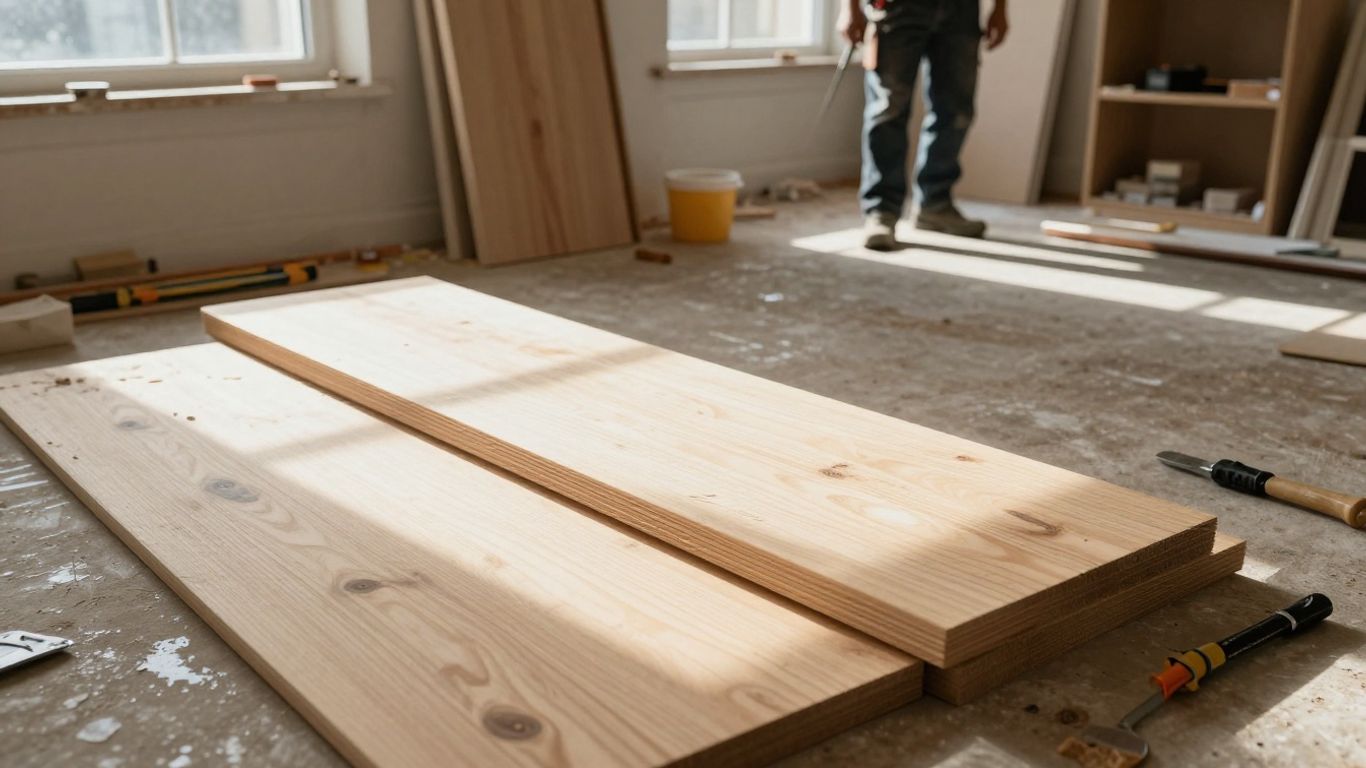
Managing a home renovation project can feel like a sprint, especially when you’re trying to get everything done efficiently. It’s a great way to practice project management skills in a very tangible way. You’ll be coordinating different tasks, keeping an eye on the budget, and making sure everyone involved knows what they need to do and when.
Think about it: you’ve got painters, electricians, plumbers, and maybe even a general contractor all needing to work together. Clear communication and a solid plan are absolutely key to avoiding delays and extra costs. This project is perfect for learning how to manage dependencies and handle unexpected issues that always pop up.
Here’s a breakdown of what you might manage:
- Scope Definition: What exactly are you renovating? Defining the boundaries is the first step.
- Budget Tracking: Keeping a close watch on expenses for materials and labor.
- Vendor Coordination: Scheduling and managing the different tradespeople.
- Timeline Management: Making sure each phase happens in the right order and on time.
- Quality Checks: Inspecting the work as it progresses.
Using agile principles can really help here. Instead of one giant plan, you can break the renovation into smaller chunks or
12. Nonprofit Reporting Plan
When you’re working with a nonprofit, keeping track of everything is super important. Donors, board members, and the public all want to know where the money is going and what impact the organization is having. That’s where a solid reporting plan comes in. It’s not just about checking boxes; it’s about building trust and showing the good work being done.
A good reporting plan makes transparency a core part of the organization’s operations. It should outline what information needs to be collected, who is responsible for collecting it, how often it will be reported, and to whom. Think about the different stakeholders and what information is most relevant to them. For instance, a donor might want to see specific program outcomes, while a board member might need a broader financial overview.
Here’s a basic breakdown of what to include:
- Financial Reports: This covers budgets, expenses, and income. It shows how money is being spent and if the organization is staying within its means. Regular updates here are key.
- Programmatic Reports: These detail the actual work the nonprofit is doing. What services are being offered? Who is being helped? What are the results? This is where the mission comes to life.
- Impact Reports: This is the big picture. How is the organization making a difference in the community or for its cause? This often involves collecting stories, statistics, and testimonials.
Building a clear reporting structure from the start helps avoid confusion later on. It means everyone knows what’s expected and when. This structured approach is vital for maintaining accountability and demonstrating effectiveness to everyone involved.
For example, you might set up a system to track volunteer hours, client success stories, and funds raised for specific campaigns. Then, you’d compile this data into a quarterly report. You could even look into using tools that help with donor tracking to keep communication lines open and report back on specific appeals. Having a template for your nonprofit strategic plan can also help guide what kind of data you need to collect for reporting purposes.
13. Blockchain Financial Tracker
Building a blockchain financial tracker might sound complicated, but it’s a really practical project for understanding how distributed ledgers work. Think about tracking donations for a charity or managing shared expenses among friends. This kind of project lets you get hands-on with transaction security and data immutability.
Here’s a basic breakdown of what you’d need to consider:
- Define the Scope: What exactly will your tracker monitor? Personal spending, business transactions, or something else?
- Choose a Blockchain Platform: Will you use an existing one like Ethereum or build a private one?
- Develop Smart Contracts: These are the automated agreements that handle transactions.
- Create a User Interface: How will users interact with the tracker? A web app or a mobile interface?
- Implement Security Measures: How will you protect against unauthorized access?
The core idea is to create a system where financial records are transparent and tamper-proof. This project is a great way to explore the potential of blockchain beyond just cryptocurrencies. You could even look into how existing projects are using blockchain for financial transparency, like some of the ideas found in blockchain project explorations.
For instance, imagine building a tool to track the flow of funds in a small business. You could set up rules so that every expense or income entry is recorded on the blockchain. This makes it easy to see where money is coming from and going to, without needing a central accountant to verify every single entry. It’s all about building trust through technology.
Here’s a simplified look at the data you might track:
| Transaction ID | Date | Type | Amount | Sender | Receiver | Description | Status |
|---|---|---|---|---|---|---|---|
| TXN1001 | 2026-05-04 | Income | 500.00 | Alice | Bob | Payment | Confirmed |
| TXN1002 | 2026-05-04 | Expense | 50.00 | Bob | Charlie | Supplies | Confirmed |
This project really pushes you to think about data integrity and how to build systems that people can rely on. It’s a solid step towards understanding more complex blockchain applications.
14. Cost Analysis Tool
Building a cost analysis tool is a solid project idea that really gets into the nitty-gritty of project management. It’s not just about guessing numbers; it’s about creating a system that helps you understand where the money is going and where it should be going. This project forces you to think critically about every single expense.
Think about it: projects often have a lot of moving parts, and costs can sneak up on you. Having a tool that can break down expenses by category, track spending against a budget, and even forecast future costs is incredibly useful. You could design it to handle different types of projects, maybe with options for manufacturing, software development, or even event planning.
Here are some key features you might want to include:
- Expense Categorization: Allow users to tag costs with specific categories like labor, materials, software licenses, or marketing.
- Budget vs. Actual Tracking: A way to input an initial budget and then log actual expenses to see variances.
- Forecasting: Simple algorithms to predict future spending based on current trends or project phase.
- Reporting: Generate summaries or detailed reports that can be exported.
Developing this kind of tool requires a good grasp of data management and a clear understanding of financial principles. You’ll need to consider how to make the interface intuitive so that project managers, who might not be accountants, can use it effectively. It’s a great way to practice your skills in project cost tracking.
Building a robust cost analysis tool means you’re not just managing a project; you’re building a system that supports smarter financial decisions for the entire project lifecycle. It’s about creating clarity in what can often be a murky financial landscape.
For instance, you could create a table to show a sample breakdown of costs for a hypothetical project:
| Category | Budgeted Cost | Actual Cost | Variance | Notes |
|---|---|---|---|---|
| Labor | $50,000 | $55,000 | $5,000 | Overtime hours added |
| Materials | $20,000 | $18,000 | -$2,000 | Bulk purchase discount achieved |
| Software | $10,000 | $12,000 | $2,000 | An additional license is needed for the new feature |
| Marketing | $5,000 | $4,000 | -$1,000 | Campaign performance exceeded expectations |
| Total | $85,000 | $89,000 | $4,000 |
This project is a practical application of many project management principles, especially around financial planning and control. It’s a chance to really hone your ability to create tools that provide tangible benefits. You might even find yourself using it as a reference for calculating cost estimations in your own future projects.
15. Remote Team Engagement Plan

Managing a project team when everyone’s scattered across different locations presents its own set of hurdles. It’s not just about assigning tasks; it’s about keeping everyone connected, motivated, and on the same page. Building a solid remote team engagement plan is key to project success in today’s distributed work environment.
Think about it: you lose those spontaneous water cooler chats, the quick desk-side check-ins, and the general vibe you get from being in the same physical space. To counter this, you need to be deliberate about how you connect.
Here are some ways to keep your remote team engaged:
- Regular, Predictable Communication: Set up a rhythm for updates. Daily stand-ups, even if brief, help. Weekly team meetings are good for broader discussions, and monthly retrospectives let you look back and improve. Using tools like Slack or Microsoft Teams for quick chats and Zoom for face-to-face meetings makes a big difference.
- Visible Leadership: As a project manager, your presence matters, even if it’s virtual. Show up consistently in team channels, offer support, and celebrate wins. Don’t just appear when there’s a problem. Using asynchronous tools like short video updates or voice memos can also help extend your reach.
- One-on-One Connections: Schedule regular individual check-ins with your team members. This is where you can really listen, understand their challenges, and build stronger relationships. It helps prevent people from feeling isolated.
When you can’t physically see the project’s progress, you need solid digital tracking. Tools like Asana, Trello, or Jira are great for keeping tasks organized and visible. Dashboards and visual aids, like burn-down charts, give everyone a quick look at where things stand. Making sure reporting is consistent and easy to understand is also a big part of this.
Tackling difficult conversations remotely requires a bit more thought. Don’t put them off. Schedule a video call, focus on the facts, and be both direct and empathetic. The goal is to find a shared path forward, even when you’re not in the same room.
Remember, remote work is here to stay, so building these engagement strategies isn’t just a nice-to-have; it’s a necessity for effective project management. It’s about creating a virtual environment where everyone feels valued and connected to the project’s goals. For more on managing projects in this new landscape, consider exploring resources on remote project management strategies.
Keeping your remote team connected and motivated is key. Our 15. The Remote Team Engagement Plan offers practical ways to boost morale and collaboration, even when you’re miles apart. Want to learn more about building a strong, connected team? Visit our website today for expert tips and tools!
Wrapping Up
There you have it – 15 different ways to get your hands dirty with project management. Whether you’re building a game, planning a construction project, or even organizing a political campaign, the core ideas are the same: planning, doing, and checking your work. Don’t be afraid to jump in and try something out. The best way to learn is by doing, and these ideas should give you a solid starting point. Good luck with your next project!
Frequently Asked Questions
Why is project management important for beginners?
Project management helps you organize tasks, manage your time, and work better with others. It’s like having a roadmap for your projects, making sure everything gets done smoothly and on time. This helps you learn how to lead and finish tasks successfully.
What kind of projects are good for learning project management?
Simple projects like planning a small event, building a basic website, or even organizing a group trip can be great. You could also try creating a simple game or planning a home improvement task. The key is to have clear steps and a goal to work towards.
Do I need special software to practice project management?
Not at first! You can start with simple tools like to-do lists, calendars, or even a whiteboard. As you get more comfortable, you can explore project management apps that help with tracking tasks and team communication.
What is an ‘agile’ way of managing projects?
Agile is a flexible way to manage projects. Instead of planning everything perfectly at the start, you break the project into small parts and work on them in short cycles. This lets you make changes easily as you go and get feedback often.
How can I learn project management skills without a formal job?
You can learn by doing! Take on small projects for friends or family, volunteer for tasks in school clubs, or even plan personal goals like learning a new skill. Every project, big or small, is a chance to practice and get better.
What’s the difference between a project manager and just doing the work?
A project manager is like the conductor of an orchestra. They don’t play every instrument, but they make sure everyone plays together at the right time to create beautiful music. They focus on planning, organizing, and making sure the whole project succeeds, not just one part.