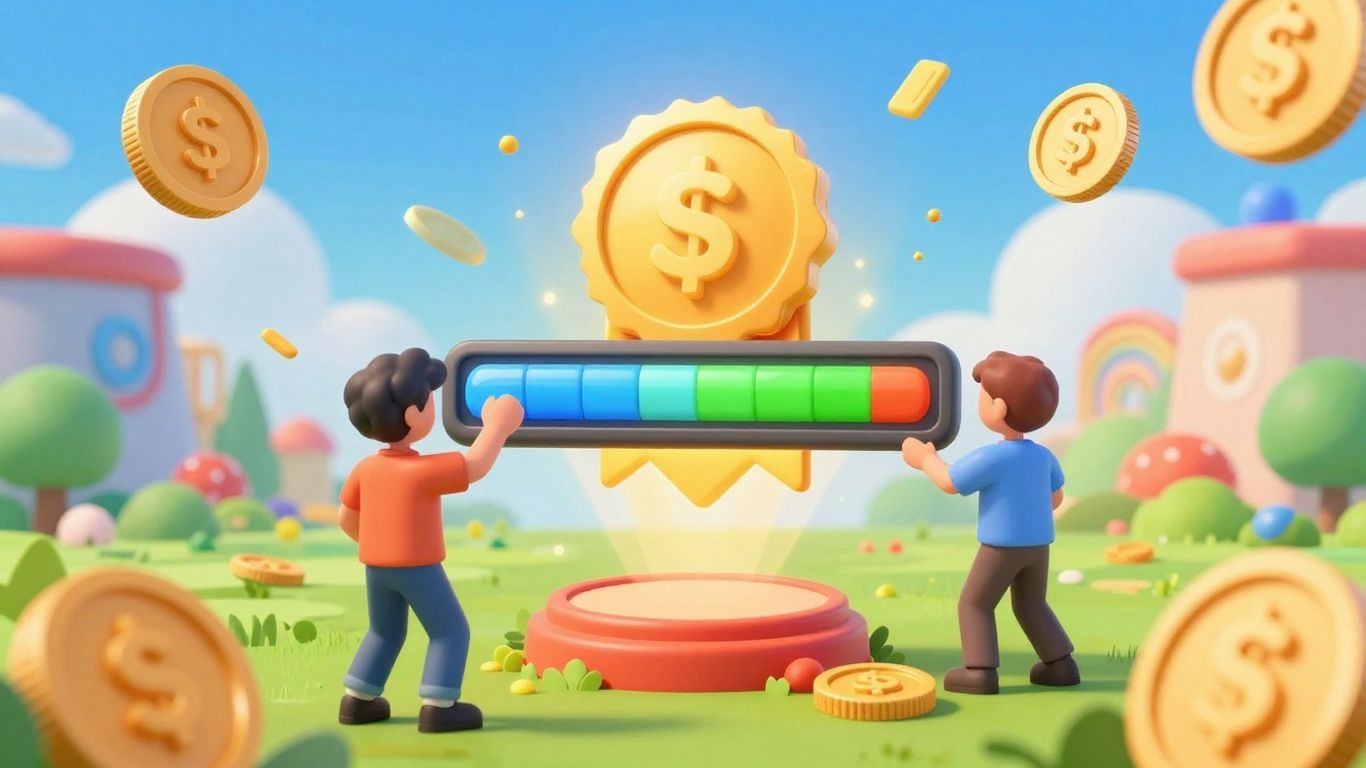
Gamification Marketing Ideas for Campaigns can help you create more engaging experiences for your customers. To wrap things up, here are the main points to remember when applying gamification in your marketing campaigns.
Key Takeaways
- Use game elements like points and levels in loyalty programs to keep customers coming back.
- Collect customer information in a fun way through quizzes and challenges, not by being pushy.
- Make your brand interactions exciting and rewarding, especially for younger audiences who expect it.
- Create a sense of urgency with limited-time offers and challenges to encourage quick actions.
- Use games and quizzes in emails to introduce new products or help customers find what they need.
Elevate Loyalty Programs with Gamified Mechanics
Loyalty programs used to be pretty straightforward, right? You buy stuff, you get points, you maybe get a discount eventually. But let’s be honest, that’s not exactly thrilling. Today’s customers want more. They’re looking for experiences, not just transactions. That’s where gamification comes in, turning your loyalty program from a chore into something genuinely fun and engaging. It’s about making people want to interact with your brand.
Designing Effective Points Systems for Repeat Business
Points are the bedrock of many loyalty programs, and for good reason. They give customers a clear, tangible way to see their progress. But just giving points for every dollar spent can get boring fast. Think about adding bonus points for specific actions. Maybe a customer gets extra points for their first purchase after signing up, or for referring a friend. You could even award points for engaging with your social media or leaving a review. The key is to make earning points feel rewarding and varied.
Here’s a quick look at how you might structure points:
- Purchases: 1 point per $1 spent
- Referrals: 50 points per successful referral
- Social Share: 10 points per share (limit 1 per day)
- Product Review: 25 points per approved review
This kind of structure encourages different types of engagement, not just spending. It helps build a more active community around your brand and can lead to higher customer engagement.
Implementing Tiered Levels for Enhanced Engagement
Once you have a solid points system, introducing levels can really ramp things up. Think of it like leveling up in a video game. Customers start at a basic tier, and as they accumulate points or complete certain actions, they move up to higher levels, each with better perks. This creates clear milestones and gives customers something to strive for. It taps into that natural human desire for achievement and status.
Consider these tiers:
- Bronze: Basic rewards, early access to sales.
- Silver: Exclusive discounts, birthday bonuses, free shipping on orders over $50.
- Gold: VIP customer support, a special annual gift, early access to new products.
- Platinum: Personal shopper access, invitations to exclusive brand events, highest point multiplier.
These levels give customers a reason to keep coming back and spending more, not just to earn rewards, but to earn status.
Leveraging Challenges and Skills for Continuous Interaction
Points and tiers are great, but how do you keep people engaged day-to-day? That’s where challenges and skill-based activities come in. These are short-term goals that encourage specific actions. They can be anything from a “weekly trivia challenge” related to your brand to a “photo contest” where customers share pictures using your product. You could even create simple mini-games on your website or app.
Gamification transforms loyalty from a passive process into an active, rewarding journey. It makes interacting with your brand feel less like a task and more like playing a game you actually want to win.
These kinds of activities not only keep your brand top-of-mind but also provide opportunities to gather first-party data about your customers’ preferences and behaviors. For example, if a customer consistently participates in challenges related to a specific product category, you know they’re interested in that area. This kind of insight is gold for personalizing future marketing efforts, which is a big part of digital transformation.
Unlock Deeper Customer Insights Through Playful Interaction

Sometimes, the best way to learn about your customers is to just let them play. Instead of asking them to fill out a long survey, you can use fun, interactive elements to get them talking and sharing.
Ethical Zero-Party Data Collection via Quizzes and Polls
Gamification Marketing Ideas for Campaigns make it easier to collect valuable customer insights. Interactive quizzes and polls encourage people to share their preferences in exchange for a fun or useful experience. This provides zero-party data that helps you understand customer needs and deliver more relevant products, offers, and campaigns.
Understanding Client Behavior Through Interactive Elements
Gamification Marketing Ideas for Campaigns reveal how customers make decisions. By tracking how users interact with quizzes, challenges, or games, you can see what captures their interest, what keeps them engaged, and where they lose interest. These insights help you understand customer behavior and create more effective marketing campaigns.
Personalizing Campaigns Based on User Preferences
Gamification Marketing Ideas for Campaigns help create more personalized customer experiences. Insights from quizzes, games, and challenges let you tailor products, offers, and messages to each user’s interests. This makes your marketing more relevant, strengthens customer relationships, and encourages long-term loyalty. You can even use this data to create custom challenges for specific customer segments.
Gamification turns passive observation into active participation, giving you a front-row seat to customer preferences and behaviors without making them feel like they’re being watched. It’s about creating a fun environment where insights naturally emerge.
Here’s a quick look at how different interactive elements can reveal user behavior:
- Quizzes: Reveal preferences, knowledge gaps, and interests.
- Polls: Show general sentiment and popular choices.
- Mini-Games (e.g., puzzles, memory matches): Indicate problem-solving approaches and attention to detail.
- Interactive Stories/Scenarios: Demonstrate decision-making under different conditions.
By paying attention to these interactions, you can build a much clearer picture of who your customers are and what they want, making your marketing efforts much more effective. This approach transforms how brands connect with their audience, making interactions more dynamic and rewarding, which is a key part of modern customer engagement.
Captivate Younger Audiences with Interactive Brand Experiences
Okay, so let’s talk about Gen Z and younger crowds. These folks grew up with screens in their hands, right? They’re not really into just sitting back and being told things. They want to jump in, play around, and feel like they’re part of something. That’s where gamification really shines.
Meeting Gen Z’s Expectations for Participatory Engagement
Think about it: this generation is all about interaction. They’re on TikTok, they’re playing games, they’re creating content. They expect brands to be just as dynamic. Static ads? Yawn. They want to do something. This means brands need to shift from just broadcasting messages to creating experiences where the audience can actually participate. It’s about making them feel involved, not just advertised to. For example, brands can create simple, fun quizzes that help users discover products that fit their style, or maybe a quick game that ties into a new product launch. It’s about meeting them where they are, digitally speaking.
Transforming Brand Interactions into Rewarding Digital Experiences
Gamification Marketing Ideas for Campaigns should make every interaction feel rewarding. Instead of giving points for every action, focus on creating a sense of achievement through challenges, badges, recognition, or exclusive rewards. These experiences keep users engaged, strengthen brand recall, and encourage long-term loyalty. It’s about building a connection through shared activity, which is a big deal for younger consumers.
Fostering Loyalty and Trust with Gamified Approaches
When you get this right, it’s not just about a quick sale. It’s about building something more lasting. By consistently offering fun, interactive experiences, brands can build up trust. Gen Z, especially, values authenticity and brands that
Drive Action and Urgency with Strategic Gamification

Sometimes, you just need customers to act now. That’s where strategic gamification really shines. It’s not just about making things fun; it’s about nudging people towards a specific action, and fast. Think about how a limited-time offer feels more exciting than a permanent one. Gamification taps into that same psychology.
Creating Excitement with Time-Sensitive Rewards
This is all about making people feel like they might miss out if they don’t jump in. When a reward, a special discount, or even a unique badge is only available for a short period, it creates a natural push. People are more likely to engage when there’s a ticking clock involved. It’s a simple way to get attention and encourage immediate interaction. For example, a daily login bonus that resets every 24 hours can get people checking in every single day.
- Daily login bonuses: Small rewards for logging in each day.
- Flash sales with game elements: A spinning wheel for a discount that disappears after a few minutes.
- Limited-time challenges: Complete a task within 48 hours for bonus points.
Encouraging Quick Decisions Through Limited-Time Offers
We’ve all seen those countdown timers on e-commerce sites, right? They work because they create a sense of urgency. Gamification takes this a step further. Instead of just a timer, you can integrate game mechanics that make the offer even more compelling. Maybe it’s a chance to
Innovate Product Launches and Discovery with Gamified Emails
Product launches can feel a bit flat if they’re just another email in a crowded inbox. We’ve all seen those announcement emails – they’re easy to scroll past. But what if you could turn that announcement into an event? That’s where gamification comes in. Instead of just telling people about something new, you can invite them to play.
Building Anticipation for New Releases with Interactive Games
Think about your next big product drop. Instead of a simple “It’s here!” email, try something more dynamic. You could send an email with a “Drop Game” where subscribers have to catch falling product icons. It’s fast, fun, and makes the launch feel more active. Or maybe a “Reflex Game” that tests their reaction time – a great way to tie into product performance or speed. These kinds of interactive elements give people a reason to engage with the launch before they even get to the product page. It builds excitement and makes the reveal feel earned. This approach can really make your new product announcements stand out.
Guiding Customers to Relevant Products via Quizzes
Sometimes, customers are overwhelmed by choice. Too many options can lead to no decision at all. Gamified emails can help here. A product quiz, for example, can ask a few simple questions about what someone is looking for. Are they buying for themselves or as a gift? What’s their style? Based on their answers, the email can then point them towards the most relevant products. This is super useful for categories like fashion, beauty, or even food and drink where personal preference plays a big role. It cuts through the noise and makes product discovery feel personal and easy.
Making Product Discovery Engaging and Personalized
Ultimately, gamified emails are about making the customer journey more interesting and informative. They move beyond just sending out discounts. By adding interactive elements, you get subscribers to actively participate. This participation not only makes the experience more memorable but also provides you with useful data about what your customers actually like and need. It’s a win-win: customers get a more engaging experience, and you get cleaner insights for better future marketing.
Gamification in emails isn’t just about adding a game for fun. It’s about creating a reason for subscribers to interact, providing them with a more rewarding experience, and gathering better information about their preferences through their actions, not just their clicks.
The Future of Gamification Marketing: AI and Real-Time Dynamics
So, what’s next for gamification in marketing? It’s getting a serious upgrade, thanks to artificial intelligence and the ability to change things up on the fly. Forget static campaigns; we’re talking about experiences that adapt to each person, right when they’re interacting with your brand. It’s pretty wild to think about, but AI is starting to make gamified marketing feel less like a one-size-fits-all approach and more like a personal conversation. This shift is a big deal for keeping people interested and making them feel like the brand really gets them. The gamification market is expected to grow a lot in the coming years, showing just how important these interactive methods are becoming [0b66].
AI-Powered Personalization for Adaptive Challenges
AI makes gamified experiences more engaging by adapting them to each user. It can adjust challenge difficulty based on player behavior, progress, and engagement, keeping the experience fun instead of frustrating. This personalized approach boosts motivation, encourages continued participation, and improves campaign performance.
Delivering Dynamic Experiences with Evolving Narratives
Beyond just adjusting difficulty, AI can also help create fresh content in real-time. Imagine a quiz that generates new questions based on previous answers, or a story that unfolds differently depending on user choices. This means the experience never gets stale. Instead of playing the same game every time, users get a unique journey. This keeps them coming back for more because there’s always something new to discover. It’s about making the interaction feel alive and responsive to the user’s actions.
Leveraging Instant Gratification for Sustained Engagement
People like getting rewards quickly. AI and real-time systems are perfect for this. Think about getting a small bonus or a special offer immediately after completing a task, rather than waiting for a weekly drawing. This instant feedback loop is incredibly powerful for keeping people engaged. It taps into that basic human desire for immediate reward. When combined with personalized challenges and evolving content, this instant gratification helps build a habit of interaction, making users more likely to return and participate regularly. It’s a smart way to build loyalty without being pushy.
The future isn’t just about adding game elements; it’s about making those elements intelligent and responsive. Brands that embrace AI and real-time adjustments will create marketing experiences that feel less like ads and more like engaging activities tailored just for the individual.
Here’s a quick look at how AI is changing the game:
- Adaptive Difficulty: Challenges adjust based on user performance.
- Dynamic Content: New scenarios, questions, or rewards are generated on the fly.
- Real-Time Feedback: Instant rewards and progress updates keep users motivated.
- Behavioral Analysis: AI learns user preferences to refine future interactions.
Get ready for the next level of marketing! We’re diving into how AI and real-time changes are shaping the future of gamification. Imagine games that adapt instantly to what players do, making marketing more exciting and effective than ever before. Want to see how this cutting-edge tech can boost your business? Visit our website to learn more!
Conclusion
So, gamification marketing is more than just a passing trend; it’s a smart way to connect with customers. By making interactions fun and rewarding, brands can build stronger relationships, gather useful information, and stand out from the crowd. Whether you’re looking to boost loyalty, introduce new products, or just get people more involved, these game-like ideas can really make a difference. It’s all about making marketing feel less like a chore and more like an exciting game everyone wants to play.
Frequently Asked Questions
What exactly is gamification marketing?
Gamification marketing is basically using game-like ideas, like points, badges, or challenges, in your regular marketing stuff. Think of it as making shopping or interacting with a brand more like playing a fun game. It’s not about making a full video game, but adding those playful bits to things like loyalty programs or emails.
Why should I use gamification in my marketing?
It’s a great way to get people more interested in your brand. When things are fun and rewarding, customers are more likely to stick around, buy more, and even tell their friends. Plus, it helps you learn what your customers like without being creepy about it. It can make your brand stand out from others that are just doing the same old thing.
Is gamification only for younger people?
Nope, not at all! While younger folks, like Gen Z, often expect more interactive experiences, gamification can work for pretty much anyone. The key is to make the game part feel natural and rewarding for the specific group you’re trying to reach. It’s more about the fun and the reward than the age.
How can I start using gamification without spending a lot of money?
You don’t need a huge budget to start. Simple things like offering bonus points for certain actions, creating a fun quiz on your website, or running a small contest can be a good beginning. Start small with easy ideas and see how people respond before you invest more.
What’s the difference between gamification and just having a contest?
A contest is usually a one-time thing where people try to win something big. Gamification is more about creating ongoing fun and rewards. It’s like having a series of mini-games or challenges that keep people engaged over time, not just for one big prize. It builds a continuous connection.
Can gamification help me get customer information?
Yes, it can! When you make a quiz or a challenge fun, people are more willing to share their preferences or opinions. This is called zero-party data, and it’s super helpful because customers are giving it to you willingly. It’s a much nicer way to learn about them than just tracking their clicks.