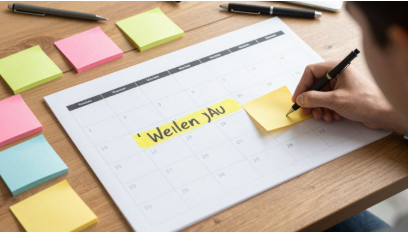
Planning out projects for 2026 can feel a bit daunting, right? You’ve got ideas, but how do you actually make them happen? That’s where project timeline ideas come into play. Think of them as your roadmap. Whether you’re trying to get a new product out the door, organize a big event, or just make your team’s work smoother, having a clear plan makes all the difference. We’re going to look at some ways to get your projects rolling with solid timelines.
Key Takeaways
- Using project timeline ideas helps make your work more productive by setting clear goals and action steps.
- Templates are great for organizing complex projects, making sure you don’t miss anything important, and can manage lots of information.
- Creative timeline examples can spark new ideas and help teams work together better.
- For businesses, using timelines like two-week sprints or monthly releases, often with Gantt charts, keeps things moving, especially with tight deadlines.
- Visual timelines are super helpful for showing what needs to be done, when, and keeping everyone, including clients, in the loop about how the project is going.
Leveraging Project Timeline Ideas for Enhanced Productivity
Sometimes, projects can feel like a runaway train, right? You know where you want to go, but getting there feels like a chaotic scramble. That’s where really thinking about your project timeline comes in. It’s not just about listing dates; it’s about creating a clear path that makes everything run smoother.
Streamlining Processes with Clear Objectives
Before you even think about tasks and deadlines, you need to know why you’re doing the project. What’s the end goal? Having crystal-clear objectives is like having a map before you start a road trip. Without it, you might end up somewhere, but it probably won’t be where you intended. This clarity helps everyone on the team understand their role and how their work contributes to the bigger picture. It stops people from going off on tangents or doing work that doesn’t actually move the project forward.
- Define the ultimate goal: What does success look like?
- Break it down: What are the major steps to get there?
- Assign ownership: Who is responsible for each major piece?
Setting clear objectives upfront prevents a lot of confusion down the line. It’s the foundation for everything else.
Maximizing Output Through Structured Timelines
A well-structured timeline isn’t just a list of dates; it’s a tool for managing your workload. It helps you see where your time is best spent and identify potential bottlenecks before they become major problems. Think of it as a way to organize the chaos. When tasks are laid out chronologically, with estimated times and dependencies noted, it’s much easier to manage your resources and keep things moving. This structured approach is key to effective project management.
Boosting Team Efficiency with Defined Action Plans
When everyone knows exactly what they need to do and by when, things just get done faster and better. A defined action plan, built from your timeline, gives team members a clear roadmap. They can see their tasks, understand how they fit with others, and plan their own work accordingly. This reduces the need for constant check-ins and allows people to focus on their actual work. It also helps in identifying who might need support or additional resources, making the whole team more effective.
Here’s a simple way to think about it:
- Task Identification: List out every single thing that needs to be done.
- Sequencing: Figure out which tasks have to happen before others can start.
- Time Estimation: How long will each task realistically take?
- Assignment: Who is going to do each task?
- Scheduling: Put it all on the timeline with deadlines.
This process helps create a solid project plan that everyone can follow.
Organizing Complex Projects with Timeline Templates
When you’ve got a project that feels like a tangled ball of yarn, a good timeline template is your best friend. It’s not just about listing tasks; it’s about making sense of the chaos and seeing how everything fits together. Think of it as a map for your project journey, showing you where you are, where you’re going, and what detours you might need to avoid.
Categorizing Ideas for Effective Analysis
Before you even start putting dates on things, you need to sort out all the ideas and tasks. This means breaking down the big picture into smaller, manageable chunks. You can group similar tasks together, maybe by department, by phase of the project, or by the type of work involved. This makes it way easier to see what needs to be done and who might be best suited to do it. It’s like sorting your mail before you decide what to do with each letter.
- Group similar tasks: Bundle related activities to avoid duplication and streamline workflows.
- Assign ownership early: Figure out who’s responsible for each category of tasks.
- Identify dependencies: See which tasks need to be finished before others can start.
Managing Large Volumes of Information
Complex projects often come with a mountain of information – research, client feedback, technical specs, you name it. A timeline template helps you keep all this organized. You can attach relevant documents or notes to specific tasks or milestones. This way, when someone needs to work on a particular part of the project, all the necessary information is right there, linked to the task itself. It saves a ton of time searching through emails or shared drives. Having a central place for project details is key, and templates can help with project management ideas.
Ensuring Comprehensive Project Coverage
It’s easy to miss something when you’re dealing with a lot of moving parts. That’s where a good template really shines. By using a structured format, you’re prompted to think about all the different aspects of the project, from initial planning and research to execution, review, and final delivery. This helps prevent those
Stimulating Innovation Through Creative Timeline Examples
Sometimes, the best way to get new ideas flowing is to look at things a little differently. Instead of just listing tasks, think about how you can visually represent your project’s journey in a way that sparks creativity. This isn’t just about marking dates; it’s about telling a story and encouraging fresh thinking.
Exploring New Perspectives for Problem-Solving
Forget the standard linear approach for a moment. What if you grouped project phases by themes rather than just chronological order? For instance, you could group tasks related to ‘User Research’ or ‘Prototype Development’ together, even if they happen at different times. This helps you see connections you might otherwise miss. Thinking outside the traditional timeline box can reveal novel solutions. Consider using a bubble chart timeline to show the explosive growth of certain project aspects, or a comparison timeline to highlight how solutions have evolved.
Inspiring Novel Concepts and Approaches
Creative timelines can be more than just a schedule; they can be a source of inspiration. Instead of a plain list, try using different visual elements. Think about using icons that represent the nature of the task, or varying the size of elements to emphasize key milestones. A timeline doesn’t have to be a straight line. You can arrange events more dynamically, perhaps using text bubbles and arrows to create a natural flow, much like a conversation. This visual storytelling can make the project’s evolution more engaging and memorable.
Facilitating Collaborative Idea Generation
When teams see a project laid out in an unconventional, visually appealing way, it often opens up new avenues for discussion. A well-designed timeline can serve as a shared visual anchor, making it easier for everyone to contribute ideas. You might even use a timeline to map out potential future scenarios or
Business Project Timeline Ideas for Agile Execution
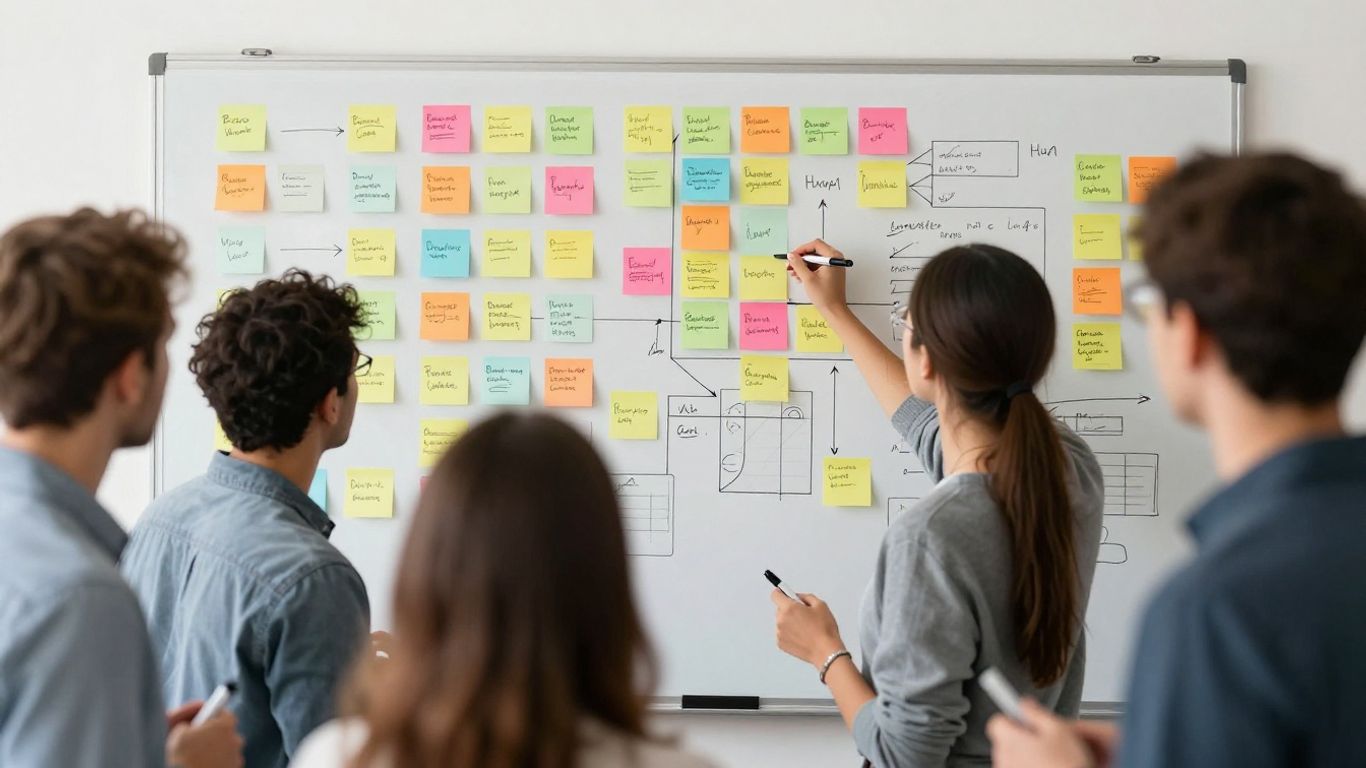
Managing Tight Deadlines with Two-Week Sprints
When you’re up against a tight schedule, breaking down your project into two-week sprints can be a game-changer. It forces you to focus on what’s most important for that short period. Think of it like packing for a weekend trip versus a month-long vacation; you have to be much more selective about what makes the cut. This approach helps keep things moving and prevents tasks from dragging on too long. It’s all about creating momentum and hitting those mini-milestones consistently.
Structuring Monthly Product Releases
For businesses that put out new products or updates regularly, a monthly timeline makes a lot of sense. It gives you a predictable rhythm. You can plan out what features will be ready each month, coordinate marketing efforts, and get feedback from users. This structured approach helps avoid last-minute rushes and ensures a steady flow of new offerings to your customers. It’s a good way to manage expectations both internally and externally.
Utilizing Gantt Charts for Task Management
When you have a lot of moving parts, Gantt charts are your best friend. They give you a visual overview of your entire project, showing tasks, their durations, and when they need to be completed. You can easily see how different tasks connect and what happens if one task gets delayed. This visual tool is super helpful for keeping everyone on the same page and understanding the project’s overall flow. It’s a solid way to manage complex projects and make sure nothing falls through the cracks. You can find some great project execution plan templates that incorporate Gantt charts to help visualize your workflow.
Breaking down large projects into smaller, manageable chunks is key to successful agile execution. This allows for flexibility and quicker adaptation to changes, which is vital in today’s fast-paced business environment. Regular check-ins and clear communication within these shorter cycles are non-negotiable for staying on track.
Here’s a quick look at how you might structure a two-week sprint:
- Day 1-2: Sprint Planning – Define goals and tasks for the sprint.
- Day 3-11: Development & Testing – Work on assigned tasks, conduct regular reviews.
- Day 12-13: Sprint Review & Retrospective – Demo completed work, discuss what went well and what could be improved.
- Day 14: Preparation for next sprint.
Using agile templates can really streamline this process, providing a ready-made structure for your sprints and releases.
Visualizing Project Milestones with Timeline Templates
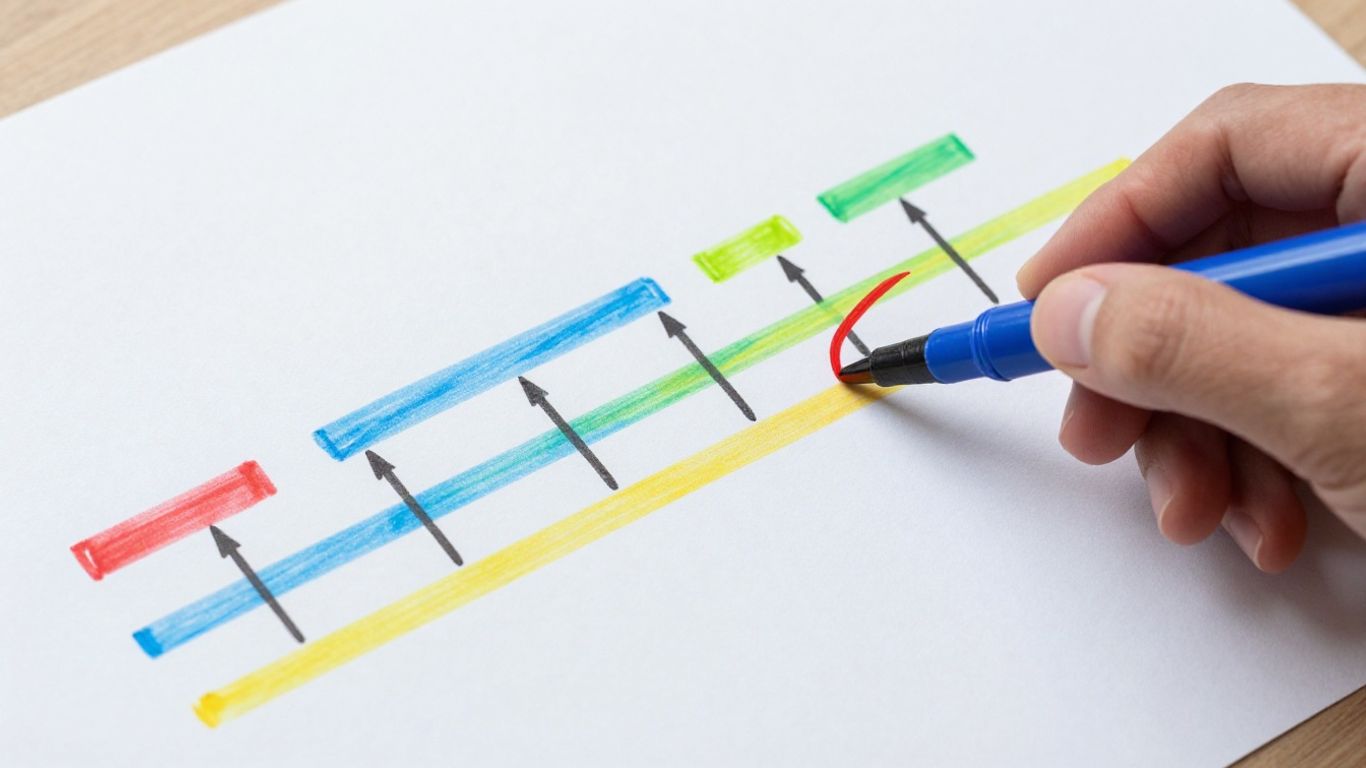
When you’re juggling a bunch of tasks, seeing how everything fits together is super helpful. That’s where timeline templates come in. They’re basically a visual map for your project, showing what needs to happen and when. This makes it way easier for everyone on the team, and even clients, to know where things stand.
Mapping Deliverables and Key Deadlines
Think of a timeline template as your project’s roadmap. You can plot out all the big things you need to get done – those are your deliverables. Then, you mark the important dates, the deadlines. It’s not just about listing them; it’s about seeing them in order. This helps you figure out if you’re trying to cram too much into one week or if there’s a gap you could fill. Using a template means you don’t have to start from scratch. You can find pre-made ones that help you plan and track progress effectively, like a four-week project timeline.
Here’s a simple way to think about it:
- Phase 1: Initial planning and research.
- Phase 2: Development and creation.
- Phase 3: Testing and refinement.
- Phase 4: Launch and post-launch activities.
Keeping Clients and Teams Aligned
One of the biggest wins with timelines is keeping everyone on the same page. If your client can see the project’s path laid out, they’ll have fewer questions about what’s happening next. It builds trust. For your team, it means no one is guessing what their next task is or when it’s due. It clarifies responsibilities. This visual approach helps avoid those awkward moments where two people are working on the same thing, or worse, something important gets missed entirely. Having these free project timeline templates available can really smooth out communication.
A clear timeline acts as a shared understanding. It reduces the need for constant check-ins and allows people to focus on their work, knowing how it contributes to the bigger picture.
Communicating Project Progress Effectively
Showing progress is just as important as planning it. A timeline template makes it easy to update everyone. You can mark tasks as complete, show what’s currently in progress, and highlight upcoming milestones. This visual feedback loop is motivating for the team and reassuring for stakeholders. It’s a straightforward way to report on where you are without getting bogged down in lengthy status reports. You can quickly see if you’re ahead, behind, or right on schedule. This visual tracking is key for managing expectations and celebrating wins along the way.
Developing Strategic Project Timeline Ideas
When you’re planning out a big project, especially one that’s meant to grow your business or introduce something new, a solid timeline is your best friend. It’s not just about listing tasks; it’s about mapping out a path to success. Think of it as a roadmap that shows you where you’re going and how you’ll get there.
Planning Marketing Strategies with Clear Roadmaps
For marketing, a timeline helps you see the big picture. You can plot out campaigns, content releases, and promotional activities. This way, you know when to push out that new blog post or when to start that ad campaign. It keeps everything organized and makes sure you’re not missing any key dates. A well-defined roadmap helps you connect emotionally with your audience by timing your messages just right.
Here’s a look at how you might structure a marketing timeline:
- Phase 1: Research & Planning (Weeks 1-2)
- Market analysis and competitor review
- Define the target audience and key messaging
- Set campaign goals and KPIs
- Phase 2: Content Creation (Weeks 3-6)
- Develop blog posts, social media content, and ad copy
- Design visuals and videos
- Build landing pages
- Phase 3: Campaign Launch (Weeks 7-10)
- Execute paid advertising campaigns
- Publish content across channels
- Engage with the audience and monitor performance
- Phase 4: Analysis & Optimization (Weeks 11-12)
- Review campaign results against KPIs
- Identify areas for improvement
- Plan for future campaigns
Incorporating Market Analysis into Timelines
Your timeline shouldn’t exist in a vacuum. It needs to be informed by what’s happening in the market. This means looking at trends, what your competitors are doing, and what your customers actually want. If you see a new trend emerging, you can adjust your timeline to jump on it. This kind of flexibility is key. It’s about being smart and responsive.
Building a timeline that accounts for market shifts means you’re not just reacting; you’re anticipating. It’s about setting yourself up to win by being prepared for what’s next.
Visualizing Business Growth Over Time
Timelines are fantastic for showing how your business is growing. You can create a visual representation of your progress, from the initial idea to where you are now, and where you plan to be in the future. This is great for internal motivation and also for showing investors or stakeholders your company’s trajectory. Seeing the progress laid out can be really motivating for the whole team. You can use tools to map out tasks, milestones, and dependencies to manage your projects effectively.
Here’s a simple table showing projected growth:
| Year | Key Milestones | Projected Revenue |
|---|---|---|
| 2026 | Product Launch | $500,000 |
| 2027 | Market Expansion | $1,500,000 |
| 2028 | New Product Line | $3,000,000 |
| 2029 | International Reach | $5,000,000 |
When you’re planning a big project, figuring out the right schedule is super important. It’s like drawing a map to make sure you get where you need to go on time. Thinking about different ways to build your project timeline can help you spot potential problems early and make sure everything runs smoothly. Want to learn more about making great project plans? Visit our website today!
Wrapping It Up

We’ve looked at a bunch of ways to map out your projects for 2026. Whether you’re planning a big product launch or just trying to get your daily tasks in order, having a clear timeline makes a huge difference. Remember, these templates aren’t set in stone; they’re just starting points. Feel free to tweak them, mix and match ideas, and find what really works for you and your team. The goal is to make planning less of a headache and more of a helpful guide. Happy planning!
Frequently Asked Questions
What is a project timeline, and why is it important?
A project timeline is like a roadmap for your project. It shows all the tasks that need to be done, when they should be finished, and who is responsible for them. It’s super important because it helps everyone stay on track, makes sure you don’t miss deadlines, and helps you finish your project successfully.
How can brainstorming help with project planning?
Brainstorming is a great way to come up with lots of ideas for your project. It helps you think of new ways to do things, solve problems, and make your project even better. It’s like a creative session to get all your thoughts out before you start planning the actual steps.
What are some simple ways to organize project ideas?
You can use templates to help organize your ideas! Think of them like special forms that help you sort and group your thoughts. This makes it easier to see what ideas are good and how they fit together, so you don’t get lost in too much information.
How do timeline templates help make projects run more smoothly?
Templates give your project a clear structure. They help you break down big projects into smaller, manageable steps. This makes it easier to know what to do next, keeps your team focused, and helps you get more done in less time.
What’s the benefit of using visual timelines?
Visual timelines, like charts or graphs, make it easy to see your project’s progress at a glance. They show important dates and goals clearly. This helps both your team and anyone you’re working with, like clients, understand where the project stands and what’s coming up.
Can brainstorming and timelines help with creative projects?
Absolutely! Brainstorming can spark new and exciting ideas for creative projects. Using timelines helps you organize those creative ideas and make sure they turn into something real. It’s a way to be imaginative but also get things done.