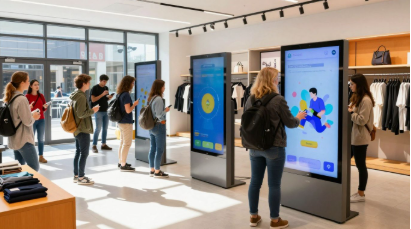
Gamification in retail industry. It’s a buzzword, right? But what does it actually mean for shops trying to get people to buy stuff? It’s not just about making things look like a video game. It’s about using game-like ideas to get customers more involved and keep them coming back. Think points, challenges, and rewards. We’re going to look at some real ways this stuff works, not just the hype.
Key Takeaways
- Using game mechanics like points and badges can make customers feel more connected to a brand.
- Loyalty programs work better when they offer different levels of rewards and recognize actions beyond just buying things.
- Simple games or challenges, like scratch cards or contests, can get people interacting with a brand and collecting their information.
- Leaderboards and time-based events can make shopping more exciting and encourage more participation.
- Gamification helps keep customers on mobile shopping apps and makes them less likely to switch to a competitor.
Leveraging Game Mechanics for Enhanced Customer Engagement
Think about the last time you really got into a game. You know, the kind where hours just disappear? That’s the feeling retailers want to capture. It’s not just about making things look pretty; it’s about tapping into what makes games so sticky. We’re talking about using those familiar game elements – like points, progress bars, and challenges – to make shopping more interesting and keep customers coming back.
Understanding the Core Principles of Gamification
At its heart, gamification is about taking game-design elements and applying them to non-game situations, like shopping. It’s not about creating a full-blown video game, but rather sprinkling in mechanics that make everyday interactions more fun and rewarding. This could be anything from earning points for sharing a product on social media to unlocking special discounts as you reach certain spending milestones. The goal is to make the customer journey feel less like a chore and more like an adventure. The key is to make customers feel like they’re achieving something, even in small ways.
The Psychological Drivers Behind Gamified Experiences
Why does this work? It taps into some pretty basic human psychology. We like to feel competent, like we’re getting better at something. We also enjoy feeling autonomous, like we have choices. And belonging to a group or community is a big one, too. Gamification plays into these needs. When you offer a tiered loyalty program, for example, you’re giving customers a clear path to progress (competence) and a sense of belonging to an exclusive club. Instant win mechanics or surprise rewards trigger a little dopamine hit, making the experience feel exciting. It’s all about making customers feel good about their interactions with your brand.
Gamification works because it aligns with our natural desire for achievement, recognition, and social connection. By carefully designing these elements, businesses can create experiences that customers genuinely enjoy and want to repeat.
Measuring Engagement Through Gamified Interactions
How do you know if your gamified efforts are actually working? You need to track the right things. It’s not just about sales numbers, though those are important. Look at how often customers are interacting with your gamified features. Are they clicking on the challenges? Are they checking their points balance? Are they sharing their progress? You can also track things like time spent on the site or app, the number of comments or reviews left, and participation rates in contests. A simple way to visualize this is with a table:
| Metric | Baseline (Pre-Gamification) | Post-Gamification | Change |
|---|---|---|---|
| Website/App Visit Frequency | 1.5 visits/month | 2.2 visits/month | +46% |
| Social Shares per Customer | 0.2 shares/month | 0.7 shares/month | +250% |
| Loyalty Program Sign-ups | 500/week | 1200/week | +140% |
| Average Session Duration | 3:15 minutes | 5:30 minutes | +70% |
These numbers give you a clearer picture of whether your gamified strategies are actually getting customers more involved. It’s about creating a positive feedback loop where engagement leads to rewards, which in turn leads to more engagement. This approach can be particularly effective for driving traffic and boosting brand awareness through sweepstakes marketing.
Designing Effective Loyalty and Reward Programs
Loyalty programs are a cornerstone of keeping customers coming back. It’s not just about giving discounts; it’s about making people feel valued and part of something special. Think of it like a club where the best members get the coolest perks. This makes them feel good about their choices and encourages them to stick around.
Creating Tiered Systems for Progressive Rewards
Tiered systems work really well because they give customers a clear path to better rewards. You start everyone at a basic level, and as they spend more or interact more, they move up. Each new tier should come with noticeably better benefits, making the climb worthwhile. This creates a sense of achievement and keeps people aiming for the next level. For example, a basic tier might get you early access to sales, while a top tier could include exclusive products or even a dedicated customer service line.
- Bronze Tier: Entry-level benefits, like basic points accumulation.
- Silver Tier: Increased point earning, birthday discounts, and early sale access.
- Gold Tier: Highest point multipliers, free shipping, exclusive product drops, and special event invites.
This structure provides a visual representation of progress and incentivizes continued engagement. It’s a smart way to design effective retail loyalty programs.
Rewarding Customer Actions Beyond Purchases
Don’t just reward spending money. Think about all the ways customers interact with your brand. Do they share your posts on social media? Do they leave reviews? Do they refer friends? Rewarding these actions can boost your brand’s visibility and build a stronger community. For instance, giving points for social shares or successful referrals can be incredibly effective. It encourages customers to become brand advocates without them even realizing it.
- Social media shares and mentions
- Product reviews and testimonials
- Referrals to new customers
- App engagement and usage
Personalizing Loyalty Perks to Foster Exclusivity
Generic rewards are okay, but personalized perks make customers feel truly seen. Use the data you have about their past purchases and preferences to tailor offers. If someone always buys a certain type of product, offer them a special discount on that category. This level of personalization makes the rewards feel more meaningful and less like a one-size-fits-all approach. It’s about making each customer feel like they have a unique relationship with your brand, which is a powerful driver of loyalty.
Personalization transforms a standard loyalty program into a bespoke experience. When rewards are tailored to individual customer behavior and preferences, the perceived value increases significantly. This makes customers feel understood and appreciated, strengthening their emotional connection to the brand and making them less likely to consider competitors.
This approach helps build a deeper connection, moving beyond simple transactional relationships to something more meaningful. It’s about making customers feel special, not just like another number in a database.
Integrating Interactive Game Experiences
Sometimes, just telling people about your product or service isn’t enough. You need them to actually do something, to get involved. That’s where interactive games come in. Think of them as little digital playgrounds built around your brand. They’re not just for kids’ apps anymore; retailers are using them to make shopping more fun and to get customers to stick around longer.
Developing Mini-Games for Brand Discovery
Instead of a boring ‘About Us’ page, imagine a quick, fun game that teaches customers about your brand’s history or how your products are made. For example, a coffee company could create a simple game where players virtually ‘grow’ coffee beans, facing challenges like weather or pests. Successfully navigating these challenges could unlock a discount on their next purchase. This makes learning about the brand an activity, not a chore. It’s a great way to introduce new customers to what you’re all about without them even realizing they’re being marketed to.
Implementing Scratch Cards and Instant Win Mechanics
Who doesn’t love a surprise? Digital scratch cards or instant win promotions are super simple but effective. A customer visits your site, maybe signs up for a newsletter, and gets a virtual scratch card. They could win anything from 10% off their next order to free shipping. It creates a moment of excitement and gives them a direct incentive to engage further. It’s a low-effort way for customers to get a reward, and for you, it’s a chance to build your email list or encourage a first purchase.
Here’s a quick look at how different instant win mechanics can perform:
| Mechanic | Potential Benefit |
|---|---|
| Scratch Card | High engagement, email list growth |
| Spin the Wheel | Excitement, encourages repeat visits |
| Daily Login Bonus | Habit formation, consistent user activity |
| Random Prize Drop | Surprise and delight, social sharing potential |
Ensuring Games Align with Brand Identity and Goals
This is super important. A high-stakes, competitive game might not fit a calm, spa-like brand. Likewise, a game that takes ages to play won’t work if your goal is quick, impulse purchases. The game should feel like a natural extension of your brand. If you sell eco-friendly products, maybe your game involves cleaning up a virtual environment. If you’re a fast-fashion retailer, a quick ‘match the outfit’ game could work. The key is that the game mechanics and theme should reflect your brand’s personality and directly support what you want to achieve, whether that’s more sales, brand awareness, or customer data.
When designing these interactive elements, always ask yourself: Does this feel like us? Does it help our customers connect with us in a meaningful way? If the answer is no, it’s probably time to rethink the approach. It’s better to have one well-executed, on-brand game than several that miss the mark.
Driving Interaction Through Contests and Challenges
Contests and challenges are a fantastic way to get people involved and talking about your brand. Think about it: who doesn’t like a little friendly competition or the chance to win something cool? It taps into that natural human desire to test our skills, show off a bit, and maybe snag a prize. This isn’t just about giving stuff away; it’s about creating excitement and giving customers a reason to engage more deeply with what you offer.
Structuring Competitions for Maximum Participation
To make a contest really work, you need to think about how to get as many people involved as possible. First off, make it super clear what the goal is and how to enter. If it’s too complicated, people will just scroll past. Think about offering multiple ways to participate. Maybe they can enter by sharing a post on social media, referring a friend, or even submitting a creative piece of content related to your brand. The more doors you open, the more people will walk through.
Here are a few ideas to get more people in:
- Social Sharing: Encourage users to share contest details on their own social networks.
- Referral Bonuses: Give extra entries for each friend a participant successfully refers.
- Content Submission: Ask users to create and submit photos, videos, or stories related to your brand.
- Daily Actions: Award entries for simple daily tasks like visiting a specific page or answering a quick poll.
Utilizing Leaderboards to Foster Healthy Competition
Leaderboards are like the scoreboard for your contest. They show who’s leading and give everyone else something to aim for. This visual representation of progress and ranking can be a huge motivator. Seeing your name climb the ranks, or even just seeing how close you are to the next person, makes people want to try harder. It creates a sense of urgency and a bit of a chase. Just make sure the leaderboard is easy to find and update it regularly so people can see the latest standings. It’s also good to have different types of leaderboards, maybe one for overall points and another for specific achievements within the contest.
Setting Achievable Milestones and Time-Limited Events
Nobody wants to feel like they’re running a marathon with no end in sight. Breaking down a big contest into smaller, manageable milestones makes it feel less daunting. Each milestone reached can offer a small reward or recognition, keeping participants motivated along the way. Think of it like leveling up in a game. Time-limited events, like flash sales or weekend challenges, also add a sense of urgency. They encourage immediate action and can create buzz. When people know something is only available for a short period, they’re more likely to jump on it. It’s a classic tactic that still works wonders for driving engagement.
Contests and challenges work best when they feel like a natural extension of your brand, not just a random giveaway. The prize should be relevant, and the activity should align with what your customers care about. This way, you’re not just getting entries; you’re building a stronger connection with your audience.
The Role of Gamification in Mobile Commerce
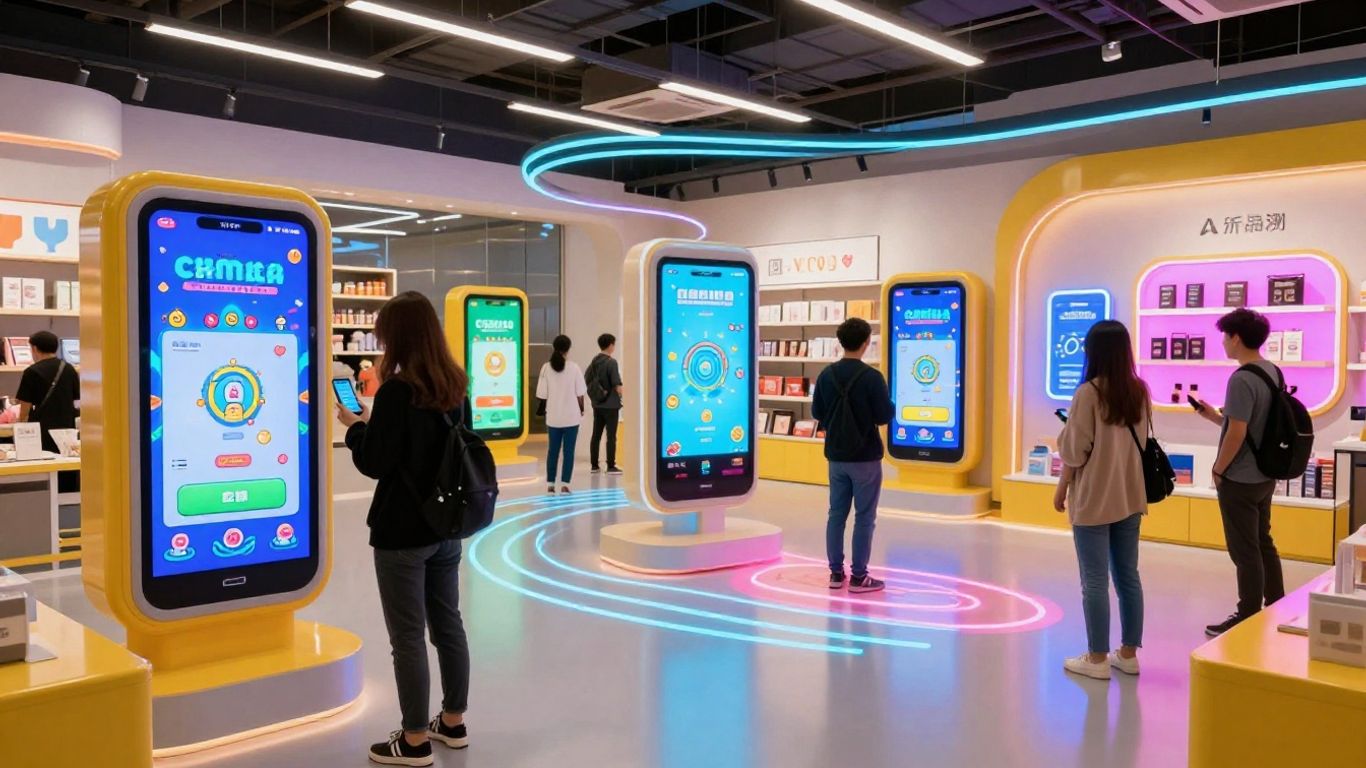
Mobile commerce, or m-commerce, is huge these days. Think about it: shopping on your phone is super convenient, and it’s only getting bigger. With more people using smartphones, businesses are jumping into m-commerce like crazy. It’s a really competitive space, though. Customers can easily hop from one app or website to another if they don’t like what they see or if their expectations aren’t met. That’s where gamification comes in. It’s all about adding game-like features to your mobile shopping experience to keep people interested and coming back.
Enhancing M-Commerce User Experience with Game Elements
So, how do we make mobile shopping more fun and engaging? We can use things like points, badges, and leaderboards. Imagine earning points for every purchase or for sharing a product with a friend. These points could then be redeemed for discounts or special access. Badges can be awarded for completing certain actions, like making your first purchase or leaving a review. Leaderboards can add a bit of friendly competition, showing who the top shoppers are. These elements make the shopping process feel less like a chore and more like a game. It’s about making the user’s journey through the app or website more interesting and rewarding.
Reducing Switching Behavior Through Gamified Platforms
Because the m-commerce world is so crowded, keeping customers is a big challenge. If a customer has a bad experience or finds a better deal elsewhere, they’re gone. Gamification can help here by making your platform sticky. When users are invested in earning points, collecting badges, or climbing leaderboards, they have more reason to stay. It builds a sense of progress and accomplishment. This makes them less likely to switch to a competitor, even if a competitor offers a slightly lower price. It’s about creating a connection that goes beyond just the transaction.
The Impact of Points, Badges, and Avatars in M-Commerce
Let’s break down some of these popular game elements:
- Points: These are the most common. They can be awarded for purchases, reviews, referrals, or even just logging in daily. Points can be accumulated and then exchanged for discounts, freebies, or exclusive access.
- Badges: These act as digital trophies. They recognize achievements like reaching a certain spending level, trying a new product category, or participating in a special event. Badges provide a sense of status and accomplishment.
- Avatars: These are customizable digital representations of the user. Allowing users to create and personalize their avatars can increase their sense of ownership and identity within the platform. It adds a personal touch to the mobile shopping experience.
Using these game mechanics isn’t just about making things look pretty; it’s about tapping into basic human desires for achievement, recognition, and competition. When done right, it can significantly change how customers interact with your brand on their phones.
Here’s a quick look at how these elements can influence user actions:
| Gamification Element | Primary Impact on User | Example Action | Potential Outcome |
|---|---|---|---|
| Points | Reward & Progress | Make a purchase | Increased purchase frequency |
| Badges | Recognition & Status | Write a review | More user-generated content |
| Leaderboards | Competition & Social | Refer a friend | Increased customer acquisition |
| Avatars | Personalization & Identity | Customize profile | Higher platform engagement |
Building Brand Loyalty and Reducing Churn
You’ve got customers coming in, which is great. But how do you get them to stick around and not just wander off to the next shiny thing? That’s where building real loyalty comes in, and gamification can be a surprisingly effective tool for this. It’s not just about making things fun; it’s about creating connections that make people want to stay.
How Gamification Fosters Emotional Connections
Think about it: when you’re playing a game, you get invested. You feel a sense of accomplishment when you level up or earn a rare item. Gamification in retail taps into that same feeling. By giving customers clear goals, visible progress, and meaningful rewards, you’re not just selling them a product; you’re giving them an experience. This can lead to a stronger emotional bond with your brand. It’s like building a relationship, not just a transaction. When customers feel a connection, they’re less likely to look elsewhere.
Mitigating Switching Intentions with Gamified Features
Customers switch for all sorts of reasons – better prices, new features, or sometimes just because they’re bored. Gamification can act as a buffer against this. Imagine a loyalty program with tiers that offer increasingly exclusive perks. As customers climb these tiers, they have more to lose by switching. It creates a sense of investment and belonging. Even small things, like earning badges for consistent engagement or participating in brand challenges, can make a customer think twice before leaving. It’s about making the cost of switching feel higher than the benefit of staying. We’ve seen how gamified loyalty programs can boost engagement and loyalty, making customers feel special with exclusive offers [Arcas & Gil, 2022].
The Long-Term Impact on Customer Retention
Ultimately, all these efforts boil down to keeping customers around for the long haul. Gamification isn’t a quick fix; it’s a strategy for sustained engagement. When customers are consistently rewarded for their actions, feel a connection to the brand, and see clear benefits to staying loyal, they become less likely to churn. This means fewer resources spent on acquiring new customers and more predictable revenue from a dedicated base. It’s about creating a positive feedback loop where engagement leads to loyalty, and loyalty leads to retention. This approach can significantly improve your mobile commerce strategy.
Here’s a quick look at how different gamified elements can impact retention:
- Points Systems: Accumulating points for purchases or actions creates a tangible reward that encourages repeat business.
- Tiered Loyalty Programs: Offering escalating benefits as customers spend more or engage more deeply provides a clear path for progression and incentivizes continued patronage.
- Challenges and Badges: Setting achievable goals and rewarding their completion with digital badges or recognition gives customers a sense of achievement and encourages ongoing interaction.
- Leaderboards: While competitive, leaderboards can motivate highly engaged users to maintain their activity and status within the community.
Building loyalty isn’t just about discounts; it’s about creating an ongoing, positive experience that makes customers feel valued and invested. Gamification provides a structured way to achieve this, turning casual shoppers into brand advocates.
Want to keep your customers coming back for more and stop them from leaving? Building strong customer relationships is key. Our platform helps you create engaging experiences that make people want to stay connected with your brand. Ready to see how we can help you build lasting loyalty? Visit our website today to learn more!
Wrapping It Up
We’ve looked at how adding game-like features to your retail business isn’t just some passing trend. It’s a real way to get customers more involved and keep them coming back. Whether it’s through loyalty programs that feel like leveling up, fun little challenges, or just making the shopping experience more interactive, these strategies work. The market is growing, and for good reason – people like playing games and getting rewarded. By thinking smart about how you introduce these elements, you can build stronger connections with your customers and make your brand stand out. It’s about making shopping more enjoyable, and that’s something everyone can get behind.
Frequently Asked Questions
What exactly is gamification, and why should stores care?
Gamification is like adding game elements, such as points or challenges, to things that aren’t usually games, like shopping apps or websites. Stores care because it makes shopping more fun and exciting for customers. This can get people to stick around longer, interact more, and even buy more stuff. Think of it as making the shopping experience feel like a fun game!
How do games help stores keep customers coming back?
Games can make customers feel more connected to a store. When customers earn points, unlock special levels, or get cool badges for their actions, they feel a sense of accomplishment. This makes them feel good about the brand and less likely to shop somewhere else. It’s like building a friendship with the store.
Are there specific types of games that stores can use?
Yes, stores can use many different game-like ideas! They might create simple scratch-off games for discounts, run contests where customers compete for prizes, or set up challenges with leaderboards to see who’s doing the best. Even small things like collecting points for reviews or sharing on social media count as gamification.
How do rewards programs fit into gamification?
Reward programs are a big part of gamification. Instead of just getting a discount, imagine earning points that unlock different ‘levels’ of rewards, like a VIP club. This makes customers feel special and gives them clear goals to work towards, making them want to keep shopping to reach the next level.
Does gamification work on phones too?
Absolutely! Gamification is super popular in mobile shopping apps. Things like collecting points, earning badges, or seeing your progress on a bar make using the app more engaging. It helps customers enjoy their shopping experience on their phones and makes them want to use that app more often.
Can gamification really help a store make more money?
When done right, yes! By making shopping more fun and rewarding, gamification can encourage customers to spend more time on a website or app, participate more, and feel more loyal to the brand. This increased engagement often leads to more sales and keeps customers from going to competitors.