Keeping customers around these days is tough. Everyone’s trying to grab their attention, and it feels like you’re always competing. But what if there was a way to make your customers actually *want* to stick with you? That’s where gamified marketing comes in. It’s not about turning your business into a video game, but it’s about using some of the fun parts of games to make your customers feel more connected and rewarded. We’ll look at how this approach can make a real difference for your brand.
Key Takeaways
- Gamified marketing uses game elements like points, badges, and challenges to make customer interactions more engaging and fun.
- Designing loyalty programs with tiers, achievements, and limited-time offers encourages customers to keep coming back.
- Incorporating leaderboards, surprise rewards, and tracking customer progress can make the experience even more exciting.
- Spreading gamified elements across your website, emails, and social media helps build brand awareness and keeps customers involved.
- Tracking how customers interact with gamified features provides useful data to improve your marketing and keep customers loyal.
Understanding The Power Of Gamified Marketing
What Gamification Truly Means For Your Brand
What exactly is gamification when we talk about marketing? It’s not about turning your business into a full-blown video game. Instead, it’s about borrowing some fun elements from games – like points, levels, challenges, and rewards – and using them in your regular marketing stuff. Think of it as making everyday customer interactions a bit more interesting and rewarding. It’s about making customers feel like they’re part of something, not just making a transaction. This approach taps into what makes games so engaging: the desire to achieve, to compete a little, and to get recognized for your efforts.
The Psychological Triggers Behind Customer Engagement
Why does this stuff work so well? It’s all about psychology. Games tap into some pretty basic human desires. We like to feel like we’re making progress, right? Earning points or unlocking a new level gives us a little hit of satisfaction. It’s like a tiny reward that makes us feel good and want to do it again. Plus, who doesn’t like a bit of friendly competition? Leaderboards can get people motivated to try harder. And then there’s the simple joy of getting something unexpected – a surprise bonus or a special badge. These little psychological nudges make customers pay more attention and stick around longer.
Gamification works because it taps into our natural drive for accomplishment, recognition, and a bit of fun. It turns passive customers into active participants by making their journey with your brand more interactive and rewarding.
How Gamified Marketing Drives Loyalty
When customers have fun interacting with your brand and feel rewarded for their engagement, they naturally start to feel more connected. This isn’t just about them buying more stuff, though that’s a nice side effect. It’s about building a relationship. When a customer earns a badge for trying a new product or reaches a new tier in your loyalty program, they feel a sense of accomplishment tied to your brand. This positive feeling makes them more likely to choose you over a competitor next time. It creates a habit loop where they look forward to their next interaction, not out of obligation, but because it’s enjoyable and rewarding.
Here’s a quick look at how it helps:
- Increased Engagement: Customers participate more actively.
- Stronger Connections: Positive experiences build emotional ties.
- Repeat Business: Feeling rewarded encourages return visits and purchases.
- Brand Advocacy: Happy, engaged customers are more likely to spread the word.
Designing Effective Gamified Loyalty Programs
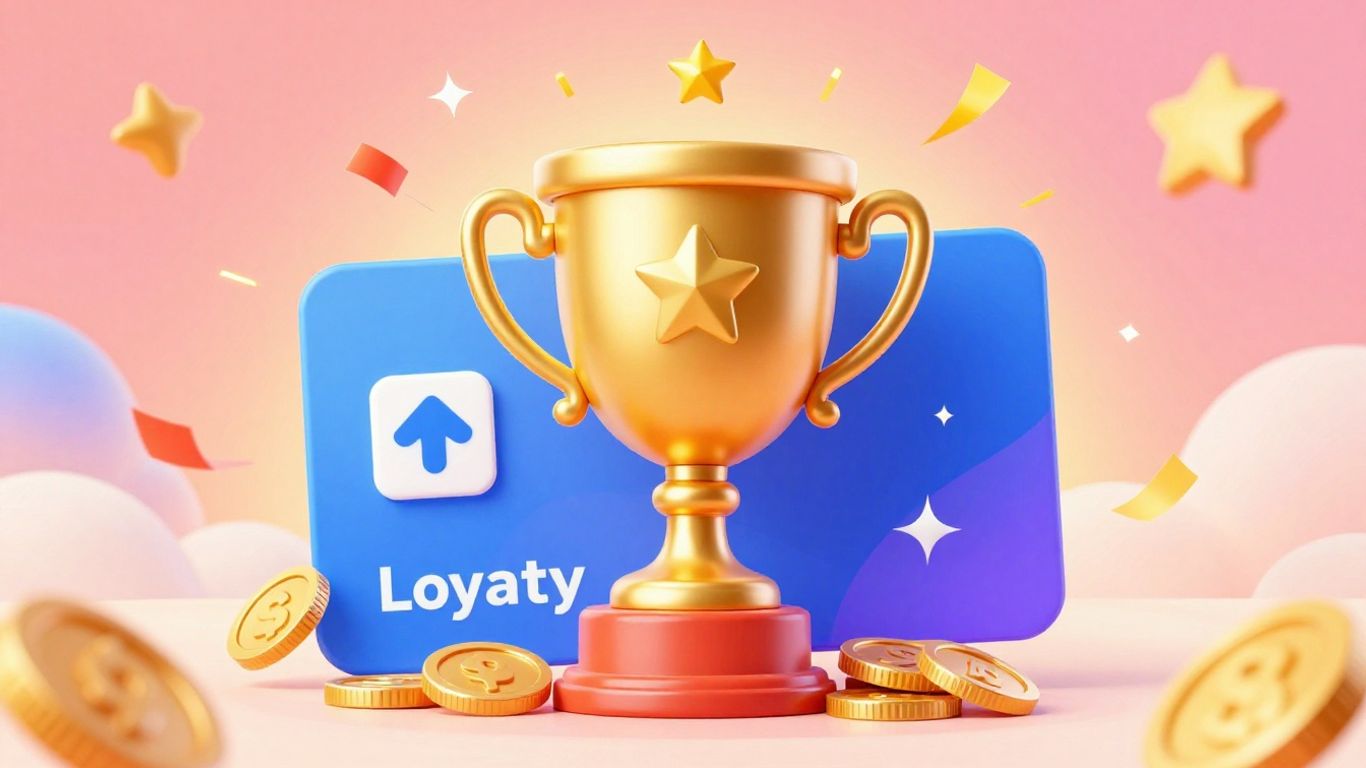
So, you’re ready to build a loyalty program that actually gets people excited? That’s great! It’s not just about giving out points anymore; it’s about making the whole experience feel like a game. Think about how much fun you have playing a game where you’re always working towards something new. That’s the feeling we want to create for your customers.
Implementing Tier-Based Rewards And Progression
One of the best ways to keep customers coming back is by using a tiered system. It’s like leveling up in a video game. Customers start at a basic level, and as they interact more with your brand – maybe by making purchases or writing reviews – they move up to higher tiers. Each new tier should come with better perks. This gives people a clear goal to work towards and makes them feel special as they progress. It’s a solid strategy for Direct-to-Consumer (DTC) loyalty programs.
Here’s a simple breakdown of how tiers can work:
- Bronze Tier: Basic member benefits, like earning points on purchases.
- Silver Tier: Unlocks slightly better rewards, maybe early access to sales.
- Gold Tier: Offers premium perks, such as free shipping or exclusive gifts.
- Platinum Tier: The top level, with the best rewards and personalized service.
Leveraging Badges And Achievements For Recognition
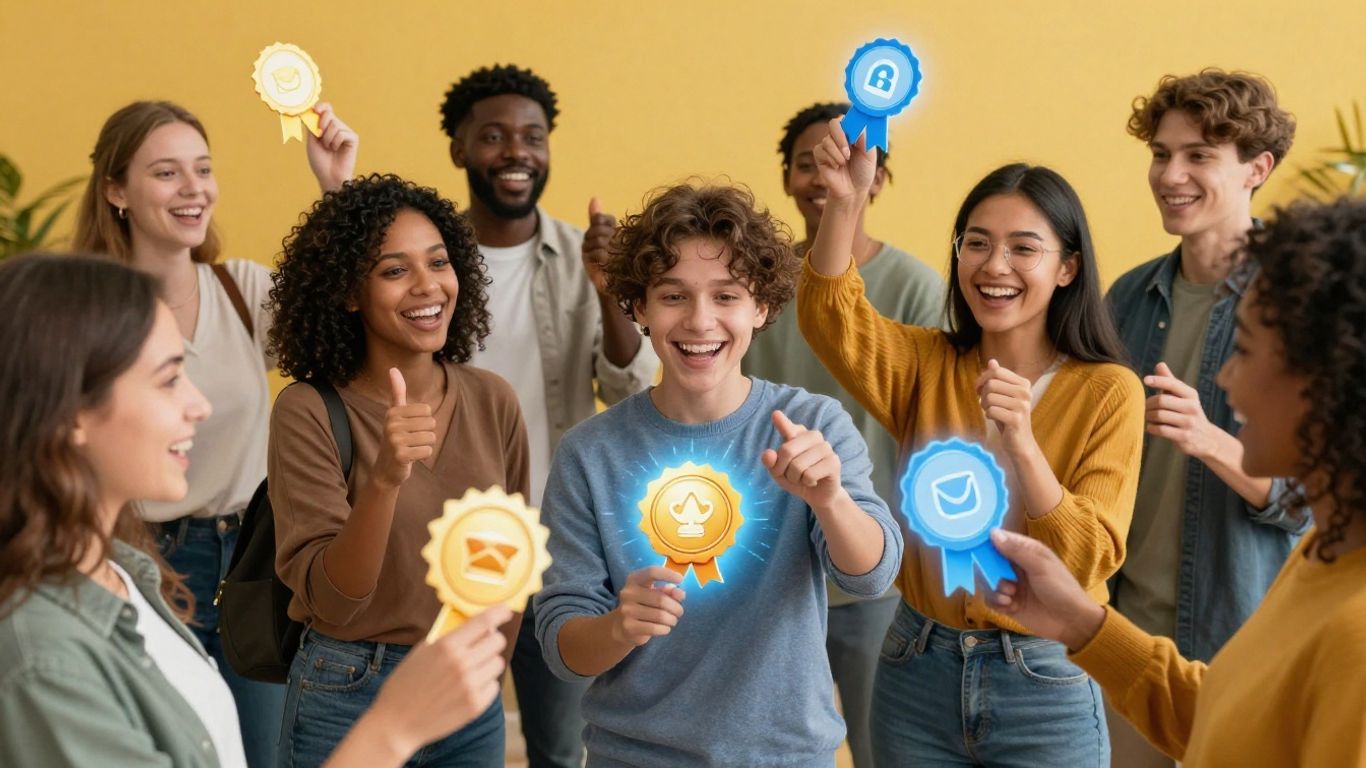
People like to be recognized for their efforts. Badges and achievements are like little digital trophies that customers can earn. You can give out badges for all sorts of things: their first purchase, referring a friend, writing a review, or even just for being a loyal customer for a certain amount of time. These aren’t just pretty icons; they show customers that you notice and appreciate their engagement. It makes the experience more personal and gives them something to show off.
Introducing Limited-Time Challenges And Urgency
To keep things fresh and exciting, try adding limited-time challenges. These are like special quests in a game that have a deadline. For example, you could run a challenge like “Earn double points on all purchases this weekend only” or “Refer three friends this month to win a surprise prize.” This creates a sense of urgency, encouraging customers to act fast and engage more frequently. It’s a great way to boost sales during slower periods or promote specific products.
A well-designed gamified loyalty program makes customers feel like they’re part of something fun and rewarding. It’s about creating an emotional connection that goes beyond just transactions. When customers feel seen and rewarded for their loyalty, they’re much more likely to stick around and become advocates for your brand.
Enhancing The Gamified Experience
So, you’ve got the basics of gamification down. Now, how do you make it truly shine and keep customers coming back for more? It’s all about adding those extra layers that make the experience engaging and memorable. Think about what makes games fun – it’s not just about winning, but the journey, the social aspect, and those unexpected moments.
The Role Of Leaderboards And Competition
People love a bit of friendly competition, right? Leaderboards tap into that. They show customers where they stand compared to others, which can be a big motivator. Seeing your name climb the ranks, or even just staying in the top spots, gives a sense of accomplishment. It also builds a community feel, where customers can cheer each other on or strive to beat their friends. This doesn’t have to be cutthroat; it can be about shared progress or achieving collective goals, too.
- Encourages repeat engagement: Customers check back to see their ranking.
- Builds community: Creates a sense of belonging and shared goals.
- Drives aspiration: Motivates customers to perform better to move up.
Incorporating Surprise And Delight With Mystery Rewards
Who doesn’t love a good surprise? Mystery rewards are like finding a hidden treasure. Instead of always knowing exactly what you’ll get, sometimes you get a random bonus – maybe a bigger discount, a freebie, or early access to something new. This element of the unknown keeps things exciting and makes customers feel like they’re getting something special, just for being part of your program. It’s a great way to add a little spark to their day.
Tracking And Celebrating Customer Progress
Customers want to see that their efforts are noticed. Showing them how far they’ve come is super important. This could be through visual progress bars, milestone notifications, or even just a simple “You’ve earned X points!” message. When you acknowledge their journey, it makes them feel valued. Celebrating these wins, big or small, reinforces their positive behavior and makes them more likely to stick around. It’s like getting a high-five for doing a good job.
Making customers feel seen and appreciated for their loyalty is key. When they can easily track their journey and see their achievements highlighted, it creates a stronger bond with your brand. This positive reinforcement is what turns a casual customer into a devoted fan.
Integrating Gamified Marketing Across Channels
You’ve designed a fantastic gamified loyalty program, but don’t let it live in a silo. To really make it work, you need to weave it into everything you do. Think about how customers interact with your brand – it’s not just when they’re on your website or in your app. They get emails, they see your social posts, maybe they even see ads. Each of these is a chance to connect your gamified experience to them.
Seamless Integration With Your Digital Presence
Making your gamified elements feel natural across your website and app is key. When someone visits your site, can they easily see their progress towards the next reward? If they get an email, does it mention a new challenge they can join? It shouldn’t feel like a separate thing; it should be part of the whole experience. This means making sure your points, badges, and challenges are visible and accessible wherever your customers are interacting with you online. It’s about making the journey smooth, not choppy.
Extending Gamification Beyond The Purchase
Loyalty isn’t just about the next sale. You can use gamification to encourage other good behaviors, too. Think about asking for reviews, getting them to share your content on social media, or even completing a quick survey about a new product. You can award points or badges for these actions. This shows customers you value their input and engagement, not just their money. It builds a stronger connection.
Here are a few ideas:
- Refer a Friend: Give points to both the referrer and the new customer.
- Write a Review: Award a badge for their first product review.
- Social Share: Offer a small bonus for sharing a specific campaign.
- Complete Profile: Encourage customers to fill out more details for extra perks.
Social Sharing And Brand Awareness Boosts
People love to share when they achieve something cool. If a customer earns a special badge or reaches a new tier, make it easy for them to share that accomplishment on their social networks. This acts like free advertising for you. When their friends see them getting rewarded or winning something, it sparks curiosity and can draw new people into your gamified program. The more your customers talk about your program, the more people will want to join.
Gamification works best when it feels like a natural extension of your brand, not an add-on. It should enhance the customer’s journey at every step, making them feel recognized and rewarded for their interaction and loyalty.
Measuring The Impact Of Gamified Marketing
So, you’ve put all this effort into making your marketing fun and engaging with games, points, and challenges. That’s great! But how do you know if it’s actually working? It’s not enough to just launch a cool campaign; you need to see what it’s doing for your business. Tracking the right numbers tells you what’s hitting the mark and what needs a tweak.
Gathering Valuable First-Party Data
Gamified programs provide valuable insights you can’t get elsewhere. When customers join challenges, play games, or earn badges, they reveal their preferences and behavior. This creates first-party data that comes directly from your audience. You can see which rewards they prefer, which challenges interest them most, and how often they engage with your brand. These insights help you understand customers better and create more personalized marketing, campaigns, and product ideas. This data can help you refine your idea management process and make sure you’re focusing on what truly matters to your customers.
Analyzing Customer Engagement Metrics
When we talk about engagement, we’re looking at how much people are actually doing things within your gamified system. Are they logging in regularly? Are they completing challenges? How much time are they spending interacting with the game elements? We can track things like:
- Active Users: How many people are participating?
- Interaction Frequency: How often do they come back to play?
- Completion Rates: How many challenges are they finishing?
- Time Spent: How long are they engaged with the gamified features?
Looking at these numbers helps you see which parts of your gamified strategy are exciting people and which might be falling flat. It’s like watching a game to see which plays are scoring points and which ones aren’t.
Quantifying Increased Customer Retention
Ultimately, a big goal of gamification is to keep customers coming back. So, we need to see if our fun marketing is actually making people stick around longer. We can look at metrics like:
- Repeat Purchase Rate: Are customers buying more often because of the gamified program?
- Customer Lifetime Value (CLV): Are customers who engage with gamification spending more over their entire relationship with your brand?
- Churn Rate: Are fewer customers leaving your brand compared to before you implemented gamification?
Measuring retention isn’t just about looking at sales figures. It’s about understanding the long-term relationship you’re building. If customers feel rewarded and recognized through gamified experiences, they’re more likely to stay loyal, even when competitors offer similar products or services. This sustained engagement is the real win.
By keeping an eye on these metrics, you can get a clear picture of whether your gamified marketing is truly building lasting customer loyalty.
Real-World Successes In Gamified Marketing
Seeing how other companies have used gamification can really spark ideas for your own business. It’s not just about making things fun; it’s about creating real connections and getting customers to stick around. Let’s look at a few examples that show just how effective these strategies can be.
Learning From Top Brand Implementations
Brands like Starbucks, Sephora, and Nike show how gamification builds strong customer loyalty. Starbucks Rewards lets customers earn “stars” for purchases, unlocking perks and special challenges that encourage repeat visits. Sephora’s Beauty Insider program uses spending tiers—Insider, VIB, and Rouge—to give loyal customers exclusive benefits and recognition. Nike’s Run Club app rewards runners with badges, milestones, and community challenges. While it’s not a direct sales program, it strengthens brand connection and keeps users engaged with the Nike lifestyle.
Adapting Strategies For Your Business
So, how do you take these big ideas and make them work for you? It starts with understanding what motivates your customers. Are they driven by competition, or do they prefer a sense of accomplishment? Here are a few ways to adapt these strategies:
- Tiered Systems: Create different levels for your customers. Maybe it’s ‘Bronze’, ‘Silver’, and ‘Gold’ based on spending or engagement. Each level should offer increasingly attractive benefits.
- Achievement Badges: Give out digital badges for specific actions. Think ‘First Purchase’, ‘Reviewer’, or ‘Referral Champion’. These small wins make customers feel recognized.
- Time-Sensitive Quests: Introduce limited-time offers or challenges. For example, “Spend $X this weekend and get double points” or “Complete Y actions this month for a special prize.”
The key is to make the journey feel rewarding, not like a chore. Customers should feel like they’re progressing and earning something meaningful, whether it’s a discount, exclusive access, or just a sense of achievement. This transforms a simple transaction into an ongoing relationship.
Inspiring Your Own Gamified Campaigns
These examples show a clear pattern: gamification works best when tied to real goals and customer interests. It makes customers feel part of something bigger than a simple purchase. For example, a bookstore could run a reading challenge where customers earn points and badges for finishing books. A fitness studio might use leaderboards for class attendance or personal records. When designed well, gamification builds stronger engagement and loyalty, turning casual buyers into dedicated fans who enjoy interacting with your brand.
See how businesses are winning big with fun marketing games in our ‘Real-World Successes In Gamified Marketing‘ section. Ready to boost your own brand? Visit our website to learn how you can create your own winning campaign!
Wrapping It Up
So, we’ve talked a lot about how adding game-like features to your marketing can really make a difference. It’s not just about giving out points anymore; it’s about making customers feel like they’re part of something fun and rewarding. When people feel like they’re achieving something or getting a special perk, they tend to stick around longer. Think about adding levels, little challenges, or even surprise rewards. These small touches can turn a regular shopper into a loyal fan. It’s a smart way to stand out when everyone else is doing the same old thing. Give it a try, and see how much more engaged your customers become.
Frequently Asked Questions
What exactly is gamified marketing?
Gamified marketing is like adding game elements, such as points, levels, and challenges, to regular marketing stuff. It makes interacting with a brand more fun and exciting, encouraging people to stick around and buy more.
Why do games make people want to be loyal?
Games tap into things people naturally like, like winning, getting rewards, and feeling like they’re getting better at something. When you add these to marketing, people feel good about sticking with a brand because they get cool stuff and a sense of accomplishment.
How can I make a loyalty program more like a game?
You can create different levels for customers to reach, give them badges for doing certain things, or set up special challenges that only last for a short time. Leaderboards can also add a fun, competitive edge.
What kind of rewards work best in a gamified program?
Rewards that feel special, like discounts, free items, or early access to new products, work great. Surprise rewards or a ‘spin-to-win’ game can also add excitement and make customers feel lucky.
Can gamification help my business get noticed more?
Yes! When customers have fun with your gamified program, they’re more likely to talk about it with friends or share their achievements online. This can spread the word about your brand without you having to spend extra on ads.
How do I know if my gamified marketing is working?
You can track how often customers participate, how many rewards they earn, and if they’re buying more often. Seeing if customers are sticking with your brand longer is also a big sign that it’s working well.