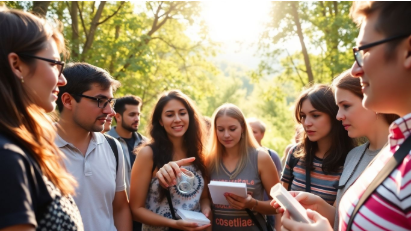
Citizen science challenges are a great way for everyday people to help with real research. This can include counting birds, checking water quality, or even finding galaxies. It’s amazing what we can do when many people work together. But, like anything important, it’s not always easy. There are challenges to overcome to make sure the science is good, and the projects actually help.
Key Takeaways
- The data we collect must be correct and trustworthy. We need good ways to check information and handle differences in how people collect it.
- Getting more people involved matters. Projects should be welcoming, simple, and open to everyone, not just the same group of people.
- Clear rules help projects run smoothly. We also need to use information honestly and respectfully so volunteers and scientists can trust each other.
- It can be hard to get citizen-collected data to people who make decisions. We need to prove that this data is reliable and helpful.
- New technology makes data collection easier, but we must make sure everyone can use it and that their personal information is safe and handled responsibly.
Ensuring Data Quality and Integrity
When people from all walks of life contribute to scientific research, it’s exciting, but it also brings up some real questions about the data. How do we make sure what everyone’s collecting is actually useful and accurate? It’s a big deal because the whole point is to get reliable information that can lead to real discoveries and actions.
Addressing Data Accuracy and Reliability
One of the biggest challenges in citizen science is making sure the data is accurate. Since many people are involved, everyone needs clear instructions and proper training. It’s like teaching someone to bake: you give them the recipe, show them how to measure ingredients, and let them practice. In the same way, citizen science projects use simple guides, videos, or practice tasks to help participants learn. Projects also add checks to ensure data quality, like having multiple people review the same information or using software to flag unusual results for experts to check. These steps help keep the data reliable.
Mitigating Participant and Temporal Biases
Data accuracy isn’t the only concern; we also need to watch out for bias. Sometimes the information collected doesn’t represent the full picture. For example, if most bird-watching volunteers live in cities, we get lots of data on urban birds but little from rural areas. That’s spatial bias. There’s also temporal bias, like when people collect more data on sunny weekends than rainy weekdays. These patterns can affect how we understand the results. To reduce bias, we can encourage participation in different places and at different times, or use statistical methods to balance things out. The goal is to make sure the data reflects real conditions, not just the habits of the most active volunteers.
Implementing Robust Data Management Protocols
Having a solid plan for how data is handled from start to finish is super important. This means having clear rules about how data is collected, stored, and shared. For instance, data submitted to platforms like OBIS needs to follow specific standards and include detailed metadata so scientists can actually use it. Data submitted to OBIS goes through a review process to make sure it’s up to snuff. Good data management also involves thinking about privacy and consent, especially when dealing with personal information. It’s about creating a system that is organized, secure, and transparent, so everyone involved can trust the process and the final results. A well-managed dataset is the foundation for impactful research.
The goal isn’t to eliminate all variability, but to understand it and manage it. By being upfront about potential limitations and implementing thoughtful checks, citizen science data can be incredibly powerful.
Getting More People Involved

We’ve talked about making sure the science is good, but what about the people doing the work? Citizen science is best when many different people get involved. It’s not just about having more eyes on the data; it’s about bringing new ideas and making sure the science reflects the world we live in.
Making Projects Easy for Everyone to Join
Getting everyone to join isn’t always simple. Sometimes, people don’t even know these projects exist, or they might feel like science isn’t for them. We need to reach out and show that these projects are for everyone, no matter their background. Think about it: if a project is about local wildlife, it makes sense to involve people who live there and know the area best. We have to make sure we’re not just talking to the same people. Breaking down these barriers means actively looking for and welcoming participants from all walks of life.
Here are some common problems and how we can solve them:
- Time: People are busy. Offering tasks that can be done in short periods or on a flexible schedule is important. Maybe it’s just a few minutes here and there.
- Skills: Not everyone has a science degree. We need to provide clear, simple instructions and training. Think easy-to-follow lessons, not long, complicated books.
- Access: Not everyone has the latest phone or fast internet. We need to think about low-tech options or ways to participate without being online. Making science available to everyone is the goal.
It’s easy to assume everyone has the same resources and chances. But when we design citizen science projects, we must remember that people have different lives, different schedules, and different comfort levels with technology. Our job is to meet them where they are, not expect them to come to us with everything figured out.
Creating Welcoming and Usable Projects
Once people are interested, how do we make sure they can actually participate and feel like they belong? It’s all in the design. Projects should be made with different abilities and interests in mind from the start. This might mean offering different kinds of tasks, from simple watching to more involved checking, or providing information in many languages. We want people to feel useful and respected, not confused or left out. It’s about creating a welcoming space where everyone’s contribution matters.
Keeping Volunteers Involved and Motivated
Keeping volunteers excited and involved for a long time is important. People stay when they feel their work is making a difference and when they feel connected to the project and others. Regular updates on what the data shows, how it’s being used, and its impact can really boost spirits. Building a community, whether online or in person, also helps. Showing appreciation goes a long way, too. Maybe it’s a mention in a newsletter or a small thank-you event. Ultimately, people stay when they feel valued and see the real results of their work.
| What Keeps People Involved | How Important It Is | How to Do It |
|---|---|---|
| Feeling Valued | Very Important | Regular feedback, public praise |
| Seeing the Impact | Very Important | Share project results and how data is used |
| Community Feeling | Somewhat Important | Online groups, local meetings |
| Learning New Things | Somewhat Important | Workshops, skill-building classes |
Handling Rules and Ethics
Citizen science is great for getting more people into science, right? But it’s not always easy. We need to talk about the difficult parts: who is in charge, what is fair, and how we handle all the information people collect. It’s like having a community garden – everyone wants to help, but you need rules so it doesn’t get messy.
Setting Clear Rules for How Projects Work
This is about setting the rules for your project. Think about who makes the important decisions. Is it the scientists, the volunteers, or a mix? Having a clear plan from the start helps avoid arguments later. It’s important to figure out how resources, like money or equipment, are shared. Different projects do this in different ways. Some have a main team making decisions, while others try to share the power more. The main thing is that everyone involved feels their voice is heard and that the project is run fairly. This kind of structure is key to making sure the project actually works and continues.
- Who Decides: Define who has the final say on the project’s direction and changes.
- Sharing Resources: Explain how money, equipment, and people are shared.
- Solving Problems: Set up a way to handle disagreements among participants or with project leaders.
- Defining Roles: Clearly state what scientists, coordinators, and citizen scientists are responsible for.
Without clear rules, projects can lose focus, leading to frustration and a loss of energy. It’s the support that keeps everything organized and moving forward.
Being Ethical with Data
Ethics play a huge role in citizen science. When people collect data, especially on sensitive topics, we must handle it with care. Getting informed consent can be challenging when many participants are involved, but it’s essential. We also need to protect privacy, keep data secure, and clearly explain who owns the information. This is especially important if the data includes traditional knowledge or could be used for business. Everyone should understand how their data will be used before they take part. It’s all about respecting the people who contribute their time and effort.
Building Trust and Good Relationships
Trust is key in citizen science. Volunteers need to trust the scientists, and scientists need to trust the data collected. This trust grows through clear communication and honesty. It also helps to understand who’s involved, scientists, volunteers, community groups, or even local officials, because each may have different goals. Being open about the project’s purpose, process, and results builds confidence and keeps people engaged. When everyone feels heard and respected, they’re more likely to stay involved and contribute valuable insights. Good relationship management strengthens the project and leads to better results.
Connecting Citizen Science to the Bigger Picture
Using Citizen Data for Decisions
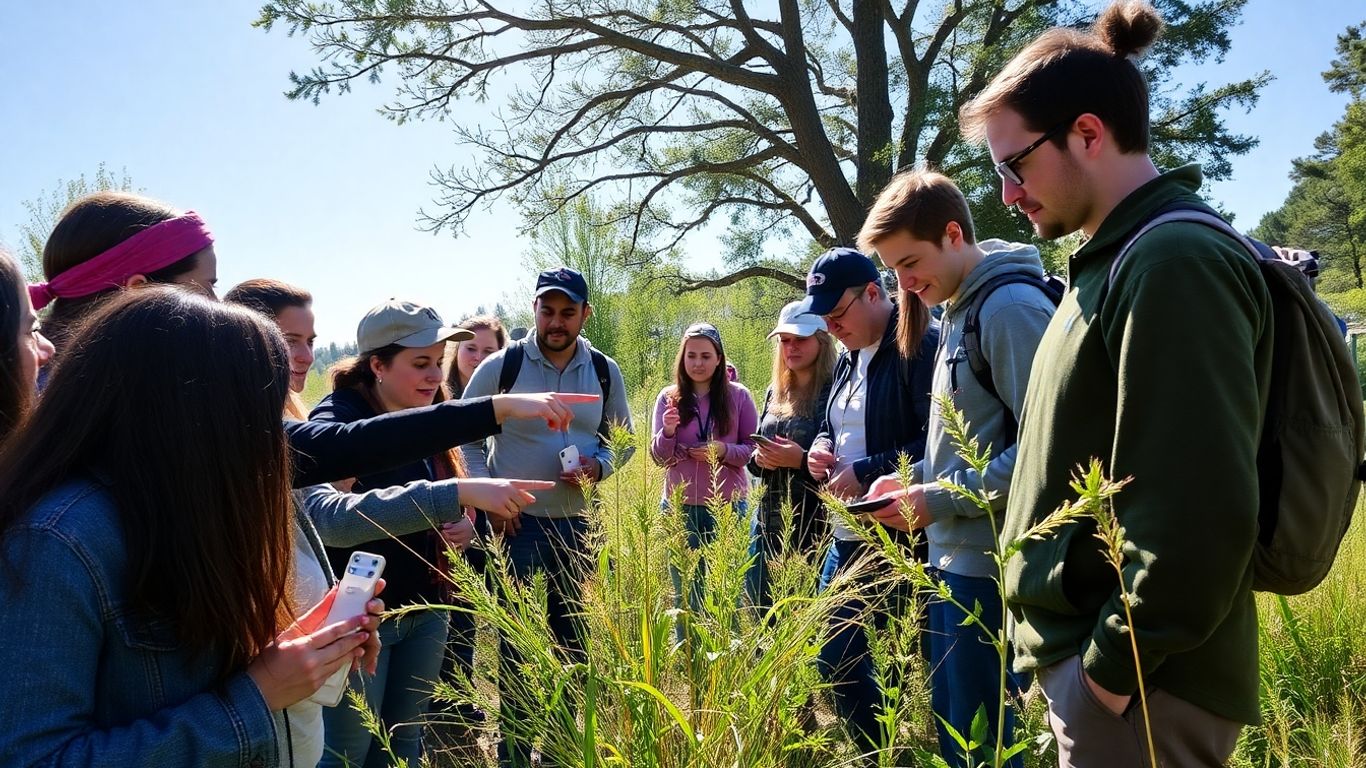
Getting citizen science data to actually influence decisions is a big challenge. It’s not enough to just collect interesting information; it needs to fit into how governments and organizations make choices. This means making sure the data is presented in a way that leaders can understand and trust. Sometimes, the way scientists work and the way policy is made are very different. We need to find ways to connect them.
Think about it like this:
- Spotting Problems: Citizen science can identify issues early, like a new pollution problem in a local river that scientists might not have noticed yet.
- Making Rules: The data collected can help shape what new rules or guidelines should look like.
- Checking Progress: Once a rule is in place, citizen scientists can help track if it’s actually working.
- Following Rules: They can also help check if people or companies are following the rules.
The biggest challenge here is often convincing people in charge that data from everyday people is as good as data from a lab. It requires building trust and showing that the methods used are sound.
Overcoming Resistance to New Data
Established scientific and government groups can be slow to change. They have their own ways of doing things, their own data systems, and their own priorities. Using data from citizen science projects means these groups might have to change their processes, which can be hard to get them to do. It’s like trying to get a big, old ship to change direction – it takes time and effort.
Here are some things that can help:
- Standard Ways: Developing clear, consistent ways to collect and format citizen science data makes it easier for groups to use.
- Training: Teaching scientists and leaders about citizen science and its benefits can reduce doubt.
- Showing Value: Showing real examples where citizen science data has led to good results is key.
It’s not just about the data itself, but about changing how people think about who can do science and where good information comes from. This change takes patience and steady effort.
Connecting Citizen Science to Larger Research Goals
Citizen science projects shouldn’t just be separate activities. They need to connect with bigger scientific questions and goals. This means researchers need to think about how citizen science can help with large, ongoing research efforts, like studies on climate change or tracking biodiversity. It’s about making sure that the work done by citizen scientists fits into the larger picture of scientific discovery and helping society. Sometimes, this involves working with people who have specific skills, not just general interest, to get the most accurate and useful results. Recognizing the contributions of these participants, beyond just a mention in a paper, is also important for keeping them involved and motivated.
Using Technology to Improve Citizen Science
Technology is changing citizen science, opening up new ways to collect data and get more people involved. Think about it: apps on our phones can now help us track bird migrations, check water quality, or identify plants. This makes data collection much easier and allows for gathering huge amounts of information that would be impossible otherwise. It’s like having a large network of researchers out there, all contributing to a bigger picture.
Using Digital Tools for Data Collection
Digital tools are really the foundation of modern citizen science. Mobile apps, web platforms, and simple online forms let participants log observations quickly and easily. These tools can be designed to guide users, give feedback right away, and even include learning parts. For example, a project might use an app that helps identify a species from a photo, at the same time collecting location data and the user’s confirmation. This makes the process smoother and often improves the quality of the data collected. The key is making these tools easy to use and available to many different people.
Bridging the Digital Gap for Fair Access
Of course, not everyone has the latest phone or good internet. This is where the digital gap becomes a real problem. We need to think about people who might not have easy access to technology. This means offering other options, like phone numbers for reporting observations or even paper forms for some projects. Teaching people how to use the technology is also very important. It’s about making sure that everyone who wants to contribute can, no matter their tech skills or access. We don’t want to leave out good data and good people.
Using Technology Responsibly and Safely
When we use technology, especially for collecting data, we have to think about privacy and safety. People need to know how their data is being used and feel sure that it’s being protected. This means being clear about data rules and getting clear permission. It’s also about using technology ethically, making sure it’s not being misused or taken advantage of. Think about how social media contests work; they can be great for getting people involved, but you need clear rules and respect for user data in social media contests.
Here are some common tech problems and how to solve them:
- Data Accuracy: How do we make sure the data collected through apps is correct? Solutions include built-in checks, training lessons within the app, and having experts review the data.
- Participant Training: Not everyone is good with technology. Offering clear guides, user manuals, and even in-person classes can help.
- Data Storage: Where does all this data go, and how is it kept safe? Secure online storage and well-defined data management plans are vital.
- Offline Use: What happens when someone is in an area with no signal? Apps should ideally allow data to be collected without internet and uploaded later.
The goal is to use technology as a tool to include more people and improve data quality, not to create new problems. It requires careful planning and a commitment to including everyone at every step of the design process. We want technology to help, not get in the way of, the amazing work citizen scientists are doing.
Keeping Citizen Science Projects Going
Keeping citizen science projects running for a long time is a big challenge. It’s not just about getting people to sign up; it’s about keeping them involved and excited about the work. Think about a community garden – you need people to show up regularly to plant, weed, and harvest for it to thrive. The same goes for science projects that rely on volunteers. We need to make sure people feel their time is well spent and that they are making a real difference.
Finding Long-Term Money and Resources
Money is always a difficult part, right? Projects need steady funding to operate, buy supplies, and maybe even pay project coordinators. Relying on one-time grants can be stressful. It’s better to look for different funding sources, like government grants, private charities, and even business support. Sometimes, local communities or universities can offer help too. Building a varied funding base makes a project much more stable. It’s also smart to think about donated resources, like free lab space or volunteer time from experts.
Showing the Impact and Value
People want to know their efforts matter. So, project leaders need to be good at showing how the data collected by citizen scientists is being used. This means sharing results, whether it’s a scientific paper, a report for leaders, or even just a blog post explaining new findings. Regular updates are key. Think about sending out newsletters or having a special section on the project website. Showing how citizen science helps with real-world environmental solutions is a strong motivator.
Here’s a quick look at how impact can be shown:
- Scientific Papers: Being listed as a co-author or acknowledged in research papers.
- Policy Reports: Summaries of findings that help decision-makers.
- Public Reports: Easy-to-understand summaries of project results for everyone.
- Community Talks: Sharing results at local events or online meetings.
Balancing Local Needs with Global Goals
Many citizen science projects start with a local focus – maybe checking a specific river or tracking bird populations in a particular park. That’s good for involving the community. But often, the data can also help with much larger, global research questions. The trick is to connect those local efforts to the bigger picture. This helps volunteers see how their small part fits into a huge puzzle. It also makes the project more appealing to larger funding groups. Finding that balance between what’s happening in your local area and what’s happening worldwide is a constant challenge, but it’s where a lot of the impact can happen.
It’s important to remember that citizen science isn’t just about collecting data; it’s about building relationships and creating a sense of shared purpose. Long-term success depends on nurturing these connections and making sure everyone involved feels valued and heard.
Keeping citizen science projects strong is key to their success. It’s not just about starting a project, but making sure it lasts and keeps people involved. This means finding ways to keep volunteers excited and the project running smoothly over time. We need to think about how to make these efforts last for the long run. Want to learn more about how to keep your citizen science projects thriving? Visit our website for tips and resources!
Moving Forward Together
So, we’ve talked about many of the tricky parts in citizen science, from making sure the data is good to keeping everyone involved and making sure projects are fair. It’s not always easy, and sometimes it feels like you’re doing many things at once. But when you get it right, the results can be amazing. By paying attention to these challenges and working together, we can make citizen science even better, helping us understand our world more and make a real difference. It’s a journey, for sure, but one that’s definitely worth the effort.
Common Questions
How do we make sure the information collected by citizen scientists is good?
To make sure the information is good, scientists use special methods to check it. They train volunteers on how to collect data correctly and often have ways to double-check the information. Think of it like having a teacher review your homework to make sure you did it right.
Why is it sometimes hard for everyone to join citizen science projects?
It can be hard for everyone to join because some projects might need special tools or lots of free time, which not everyone has. Also, some people might not know about these projects or feel like they don’t have the right skills. Making projects easier to join and offering different ways to help can fix this.
How do citizen science projects keep volunteers interested and coming back?
Keeping volunteers interested is key! Projects do this by showing volunteers how their work makes a difference, giving them fun tasks, and making them feel like part of a team. Regular updates and thanking them for their help also go a long way.
Who makes the rules for citizen science projects, and how are they fair?
Clear rules, or ‘governance,’ are set up to guide the project. This includes deciding how data is used and making sure everything is ethical, like protecting people’s private information. Building trust with everyone involved, from scientists to volunteers, is super important for fairness.
How does information from citizen scientists actually get used by scientists in making decisions?
Getting citizen science information used by scientists and in making important decisions can be tricky. It’s like trying to get a new idea accepted – you need to show the information is reliable and useful. Scientists are working on ways to make this happen more smoothly, so everyone’s hard work counts.
How does technology help citizen science, and what problems does it cause?
Technology, like smartphone apps, makes it easier for lots of people to collect data quickly. But not everyone has access to the latest tech or knows how to use it. So, projects need to be careful to include everyone and keep data safe and private when using technology.